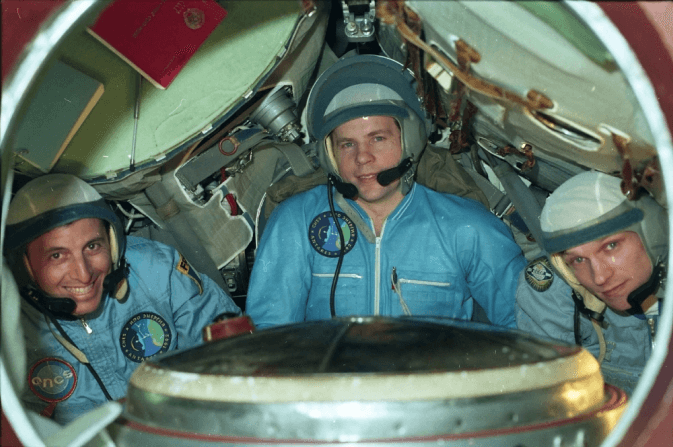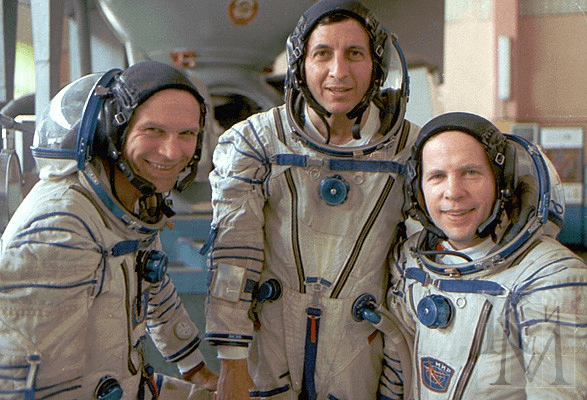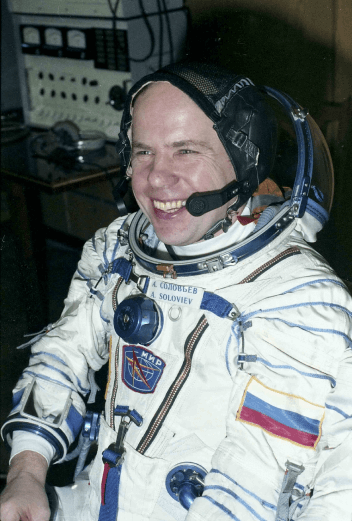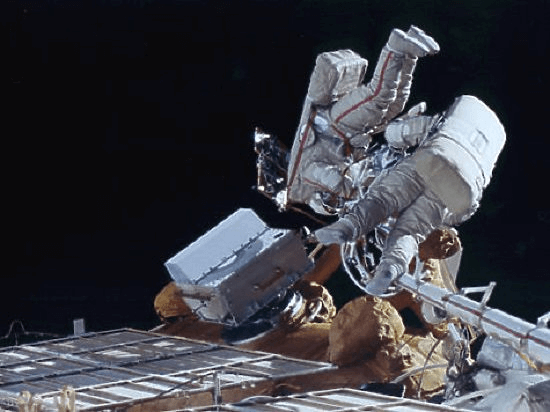

Soviet and Russian astronauts became pioneers in space exploration. Set a lot of records and made quite a few discoveries.
%20(1).png)

launch of the first satellite into orbit;
launch of the first satellite of a satellite with a living creature on board into orbit;
the first spacecraft in solar orbit
landing of an automatic interplanetary station on the moon for research purposes
an unmanned overflight of the Moon by an automatic interplanetary station with photographing of its back
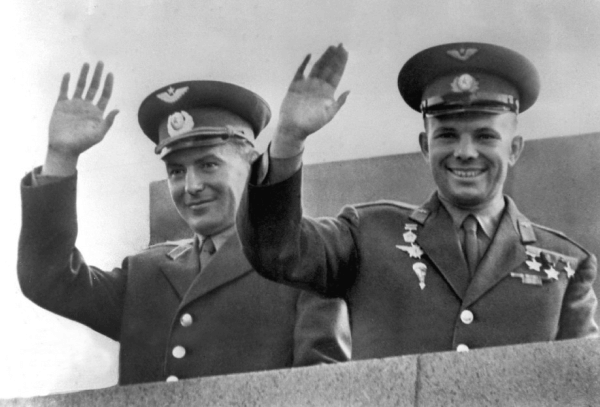
the first manned space flight (Yuri Gagarin)
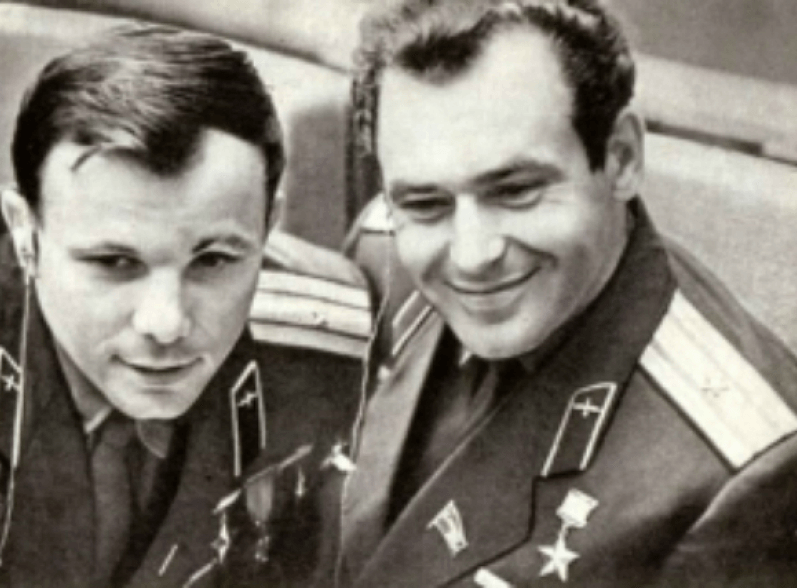
flight into space of the second astronaut (German Titov) of Vostok-2 spacecraft
tandem flight of two manned spacecraft
the first automatic interplanetary station in Martian orbit with research purposes
the first flight of a crew of three people
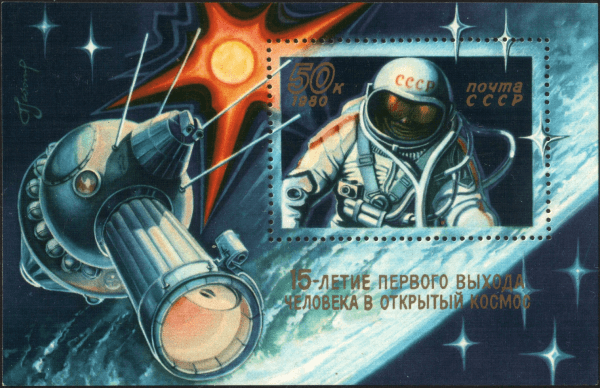
the first manned spacewalk
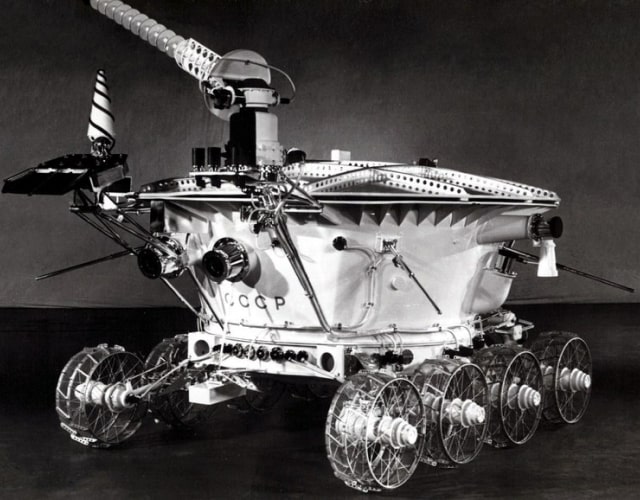
anding on the moon of the first planet rover Lunokhod-1
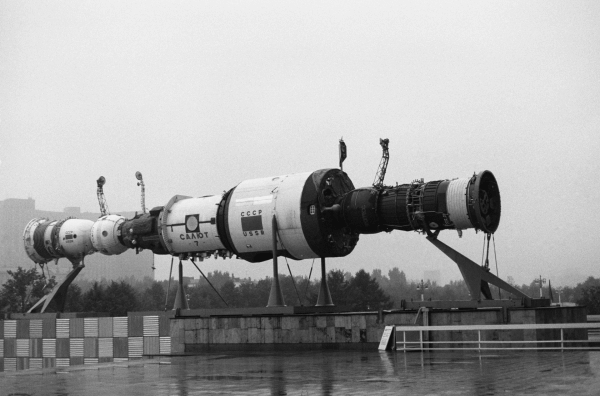
launching the first Salyut-1 orbital station into orbit.
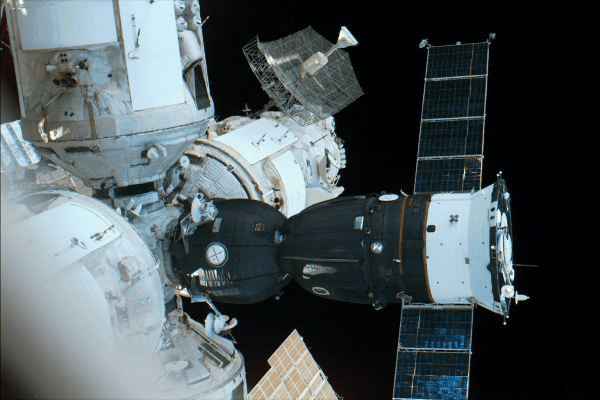
docking of Soviet and American ships in space under the Soyuz-Apollo program.
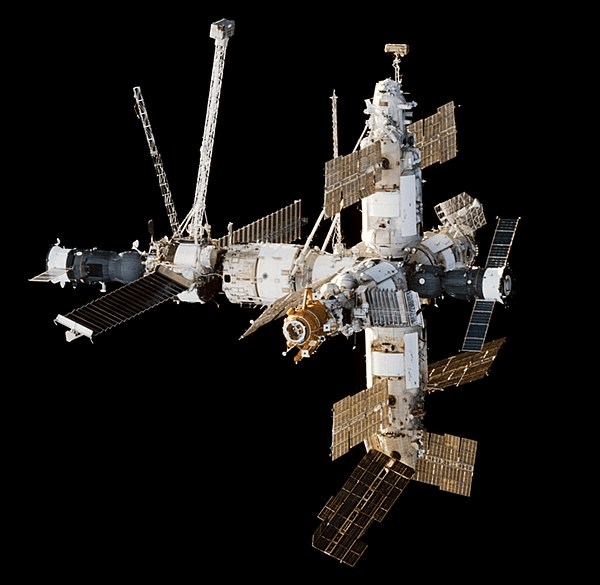
launch of the first multimodular orbital station Mir


.png)
.png)

.png)



Throughout history,
123 astronauts flew into
space, of which 4 were women.
More than 50 astronauts went
into outer space, 4 tragically
died during the flight. Now
there are 14 cosmonauts in
active formation
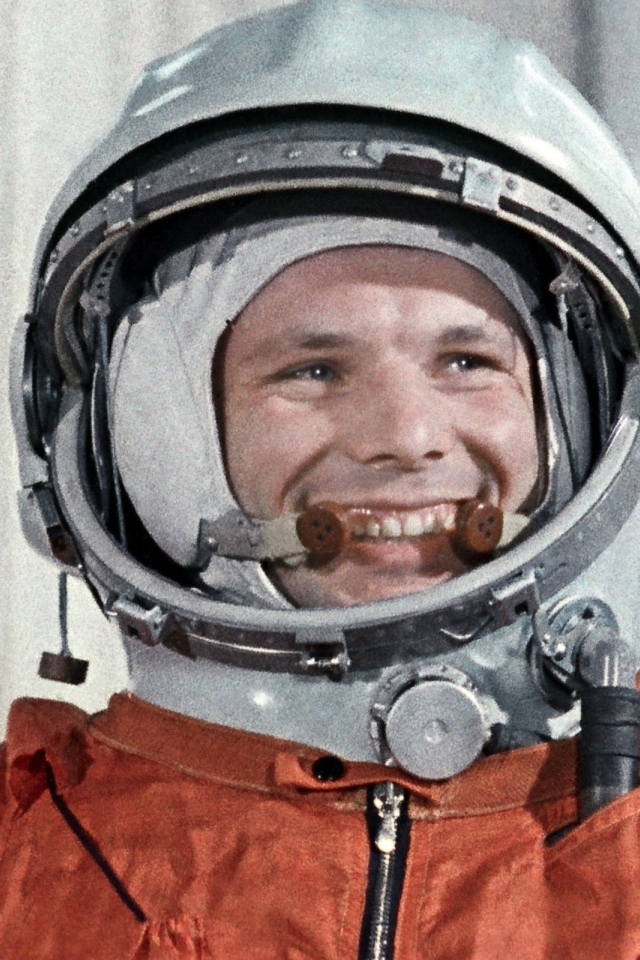
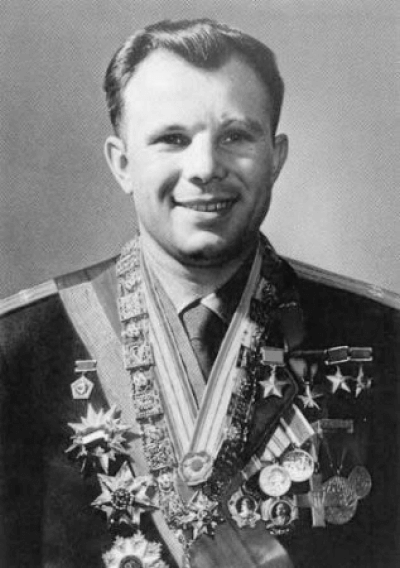
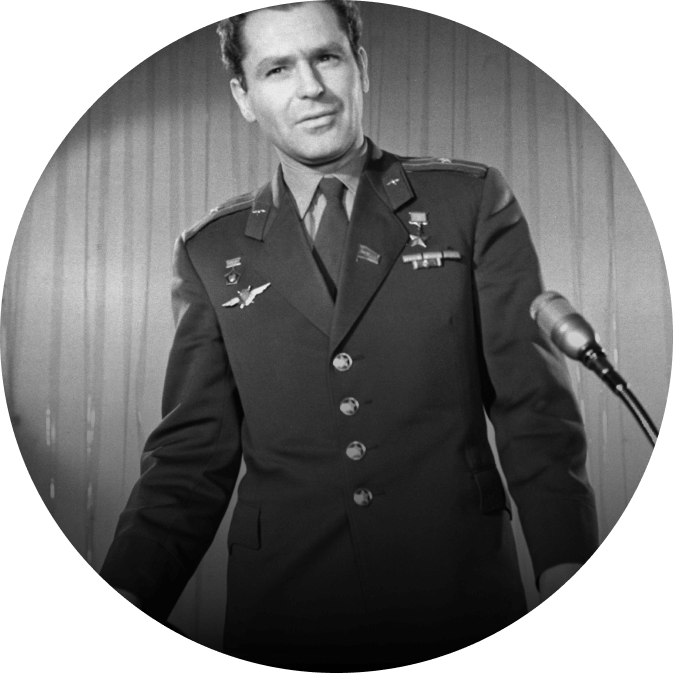
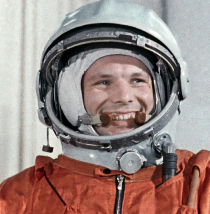
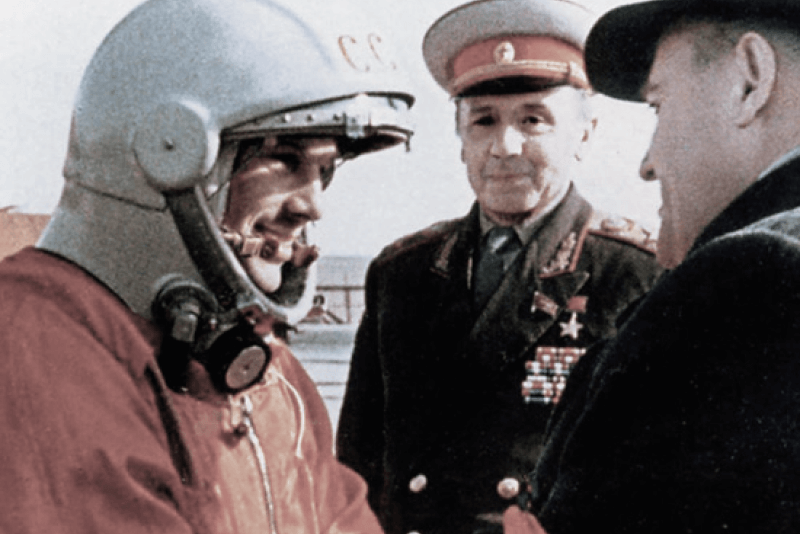
On April 12, 1961, Yuri Gagarin became the first person in world history to fly into outer space. After 108 minutes of the flight, Gagarin successfully landed in the Saratov region, not far from Engels. April 12, 1962, the day of Yuri Gagarin's flight into space was declared a holiday - Cosmonautics Day
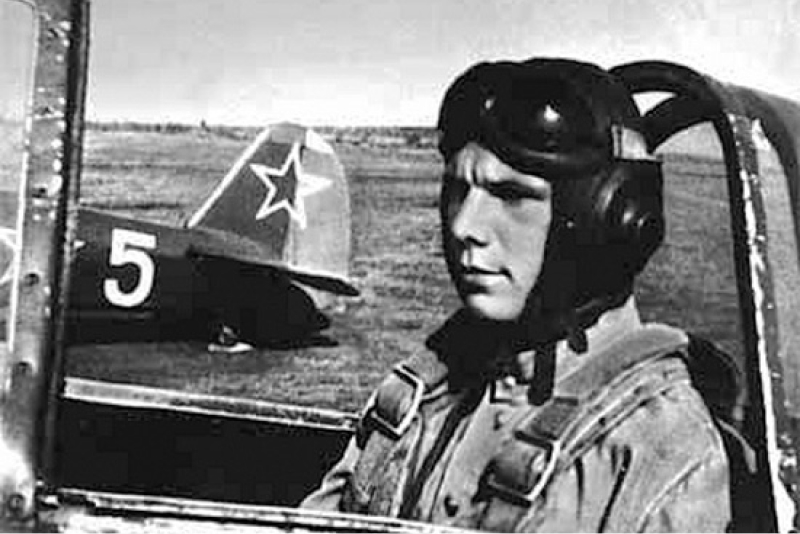
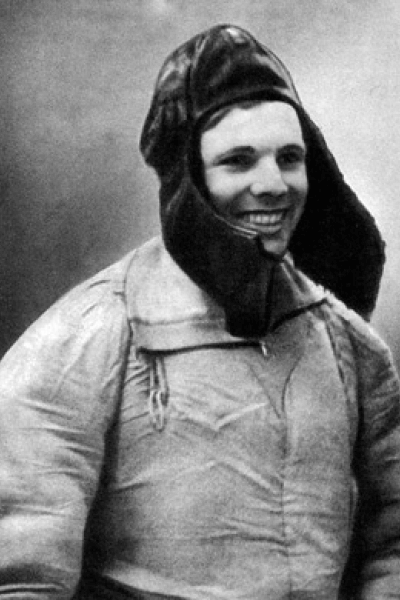
Yuri Alekseevich Gagarin was born on March 9, 1934 in a village in the village of Klushino (Smolensk region). Russian nationality. He comes from a working environment. The Gagarin family had three sons and a daughter. Yuri was the third oldest.
October 12, 1941 the village was in occupation. The Germans drove out the family with small children and the Gagarins had to live in a dugout. Shortly before the retreat, the Germans hijacked older brother Valentine and sister Zoya to Germany. On April 9, 1943, the Red Army liberated the village.
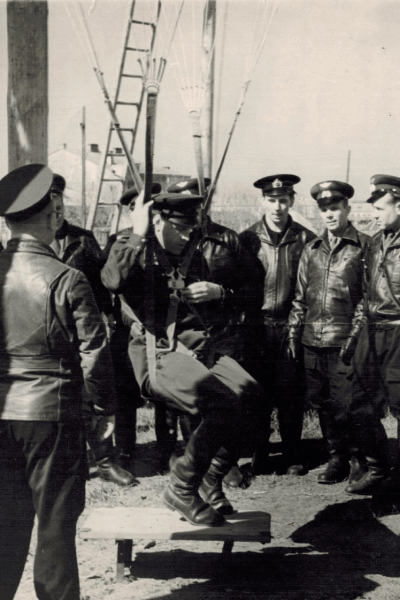
In 1955, Yuri Gagarin made significant progress, graduated with honors from the Saratov flying club and completed his first independent flight on a Yak-18 aircraft. On October 27, he was drafted into the Soviet Army and sent to Orenburg at the 1st Military Aviation School for Pilots named after K. E. Voroshilov
At school, he could not master the moment of landing, threatened with expulsion. At the last moment, the chief drew attention to Gagarin's small stature, which influenced the viewing angle and reduced the feeling of the earth. Putting a thick lining on the chair, he coped with the task and on October 25, 1957 Gagarin graduated from college with honors.

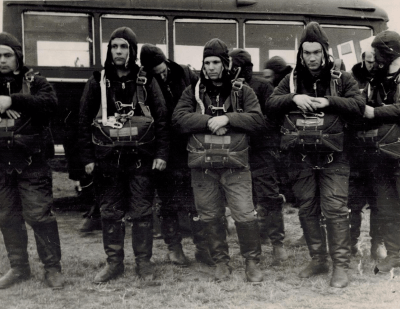
By order of the Commander-in-Chief of the Air Force K.A. Vershinin, Gagarin was enrolled in the group of candidates for cosmonauts on March 3, 1960. Together with his family he went to a new military service site. On March 25, regular classes began on the cosmonaut training program.
On April 3, 1961, a meeting of the Presidium of the CPSU Central Committee was held, where a decision was made to launch man into space.


Having examined personal files, characteristics and exam results, the selection committee wrote in the act: “We recommend the following order of use of astronauts in flights: Gagarin, Titov, Nelyubov, Nikolaev, Bykovsky, Popovich”
"
Perform a single-turn flight around the Earth at an altitude of 180-230 kilometers, lasting 1 hour 30 minutes with landing in a given area. The purpose of the flight is to check the possibility of a person staying in space on a specially equipped spacecraft, to check the spacecraft’s equipment in flight, to check the connection of the spacecraft with the Earth, to make sure that the means of landing the spacecraft and the astronaut are reliable.


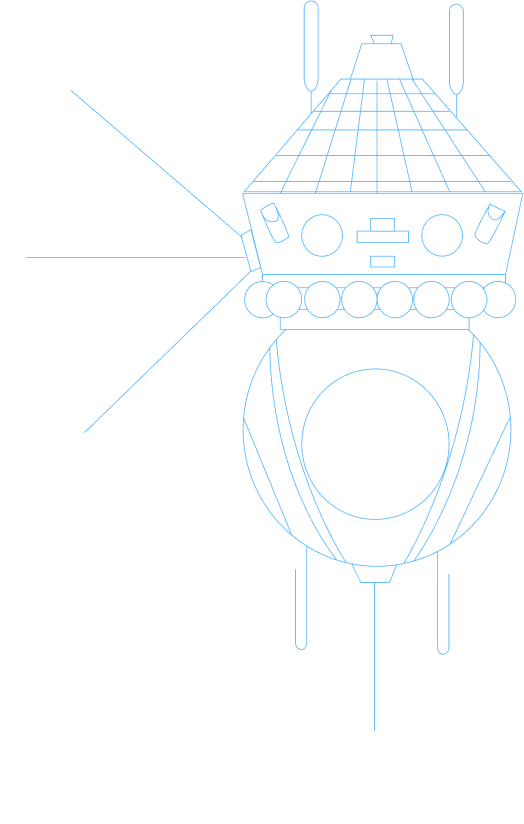
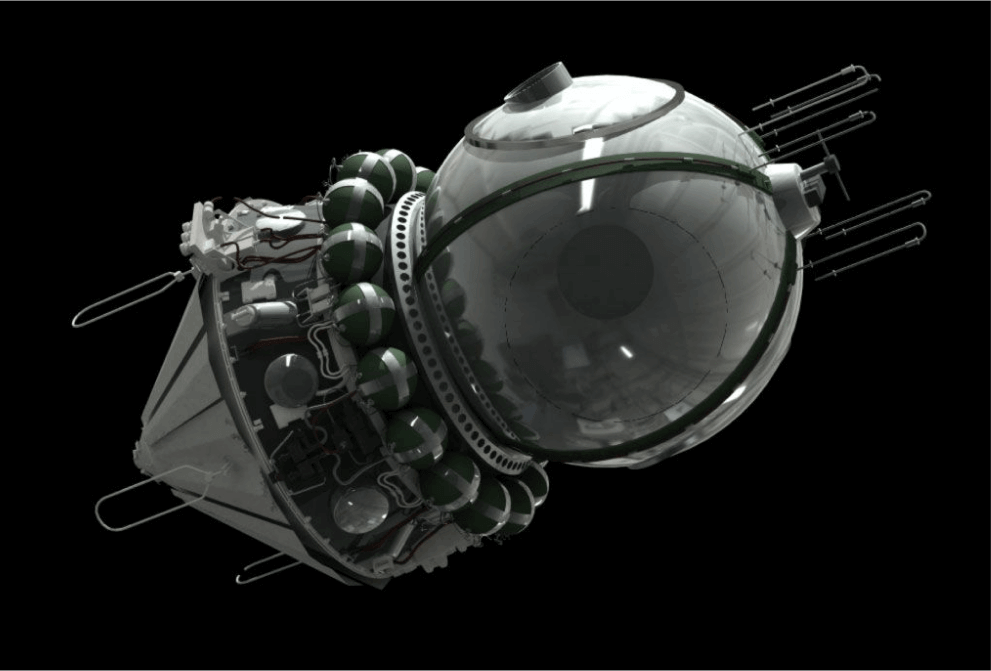
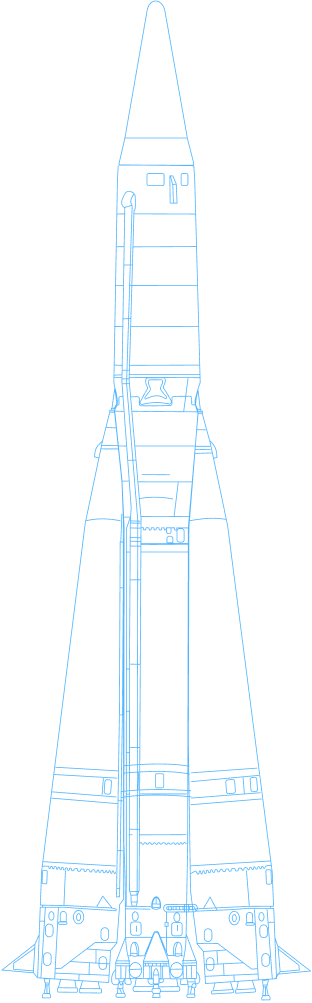
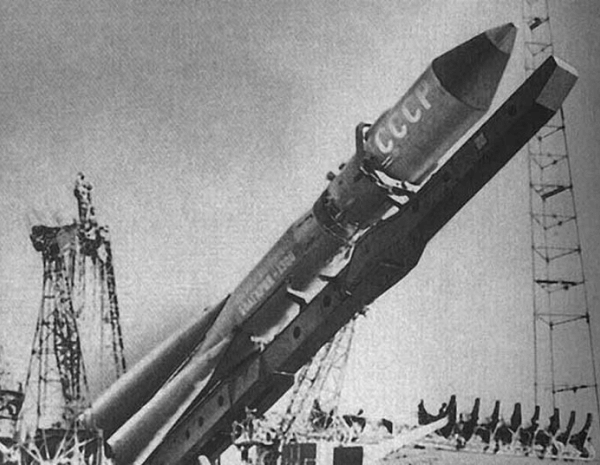
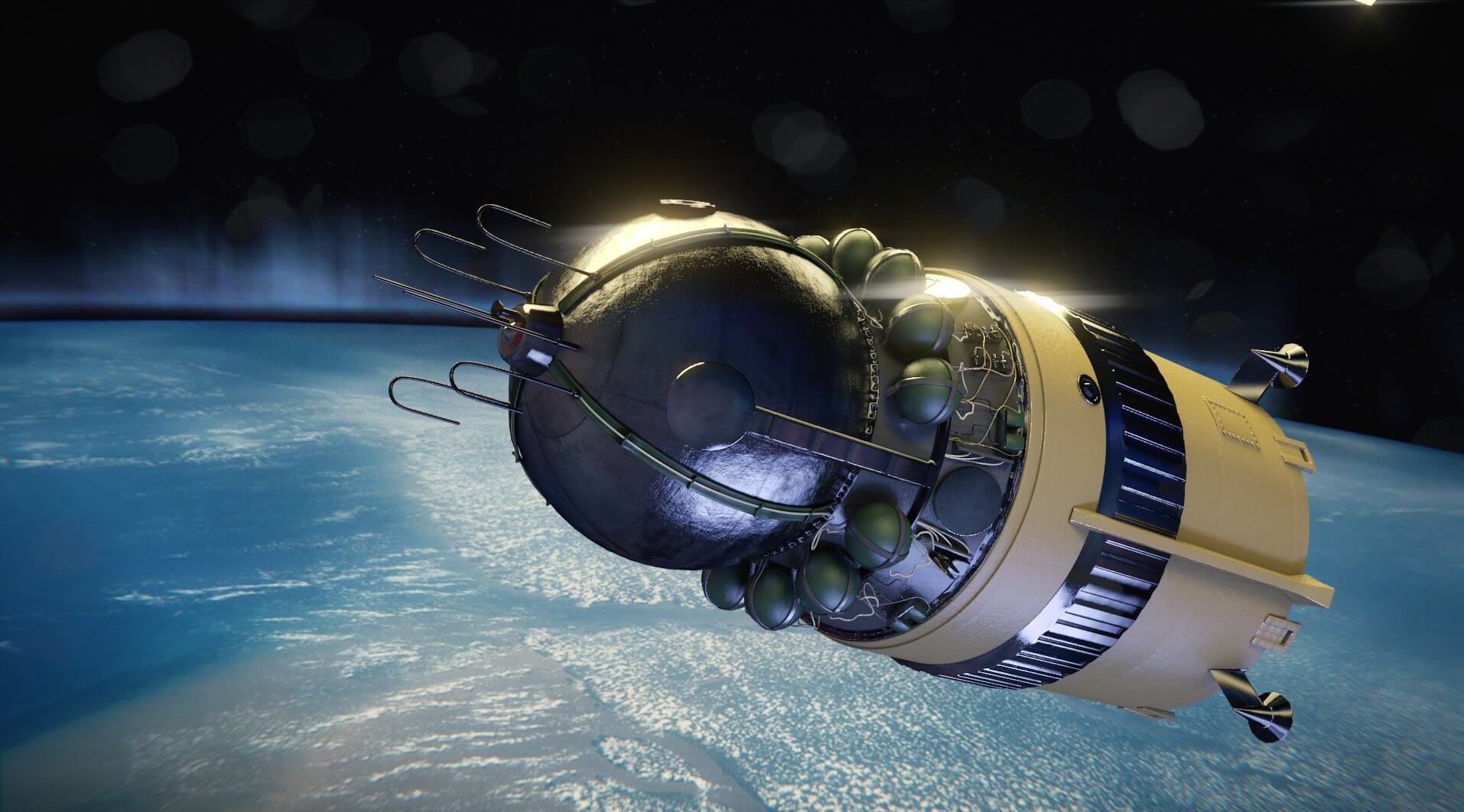
A spaceship from the Vostok series, the first spacecraft to lift a man into Earth orbit.


A spaceship from the Vostok series, the first spacecraft to lift a man into Earth orbit.


Baikonur Cosmodrome Site 1
launch 06:07 GMT
Kamchatka peninsula 06:21 GMT
Northwest of the Hawaiian Islands
06:37 GMT
Equador crossung 06:48 GMT
South Pacific 06:57 GMT
Strait of Magellan 07:00 GMT
South Atlantic 07:00 GMT
Egypt Reentry begins 07:35 GMT
Russia Gagarin lands 08:05 GMT
West coast of Africa 07:25 GMT
Launch
site
Baikonur
Cosmodrome Site 1
launch 06:07 GMT
Kamchatka
peninsula
06:21 GMT
Northwest of the
Hawaiian Islands
06:37 GMT
Equador
crossung
06:48 GMT
South
Pacific
06:57 GMT
Strait of
Magellan
07:00 GMT
South
Atlantic
07:00 GMT
West coast
of Africa
07:25 GMT
Egypt
Reentry begins
07:35 GMT
Russia
Gagarin lands
08:05 GMT
The Vostok spacecraft with the pilot-cosmonaut Yuri Alekseevich Gagarin on board was launched on April 12, 1961 at 09:07 Moscow time (06:07 UTC) from the Baikonur cosmodrome. Gagarin's call sign was "Cedar".
04/12/1961 at 10 a.m. 55 minutes 2 km southeast of n. Podgornoye, pilot-cosmonaut Major GAGARIN Yuri Alekseevich, who made the first space flight on the Vostok spacecraft, landed
"
I ask you to convey to the Air Force Commander: I completed the task, landed in a given area, I feel good, there are no bruises and breakages. Gagarin.
"

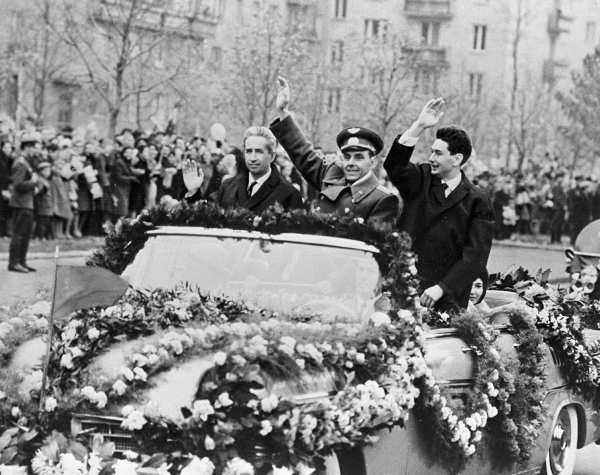
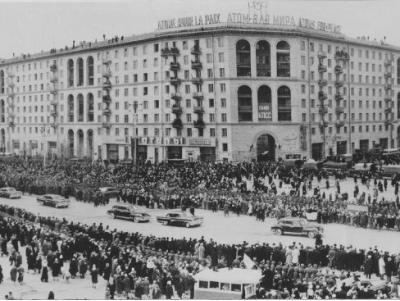
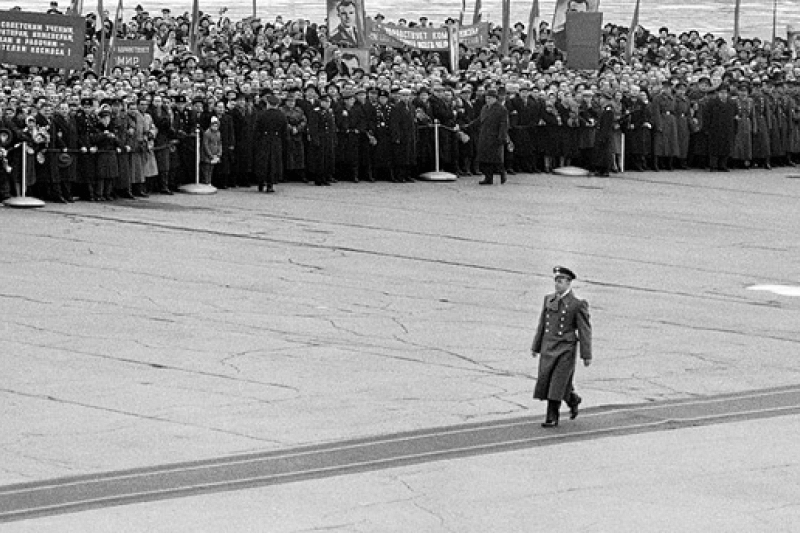
At the landing site, he was awarded his first reward for flying into space - the medal "For the development of virgin lands", as well as the extraordinary rank of major. And then in Moscow Gagarina was expected by a grand reception: jubilant people, journalists and cameramen, the country's leadership.


"
Which represents the first human penetration into space. We
congratulate you and the Soviet scientists and engineers who made
this achievement possible. I express my sincere wish that, in the
future pursuit of space exploration, our countries can work together
and achieve the greatest good for humanity.
"
"
On the occasion of the greatest success of your scientists,
technicians and astronauts in the implementation of manned flight
into space”, he called the incident “a historical event
"
"
The success of Soviet scientists and astronauts honors
Europe and humanity
"

Gagarin has been awarded many state and international awards. Cities and streets around the world were named after him.

Once in my childhood I read the words of V.P. Chkalov: "If to be, then to be the first." So I try to be and will be until the end.

.png)
valentina tereshkova
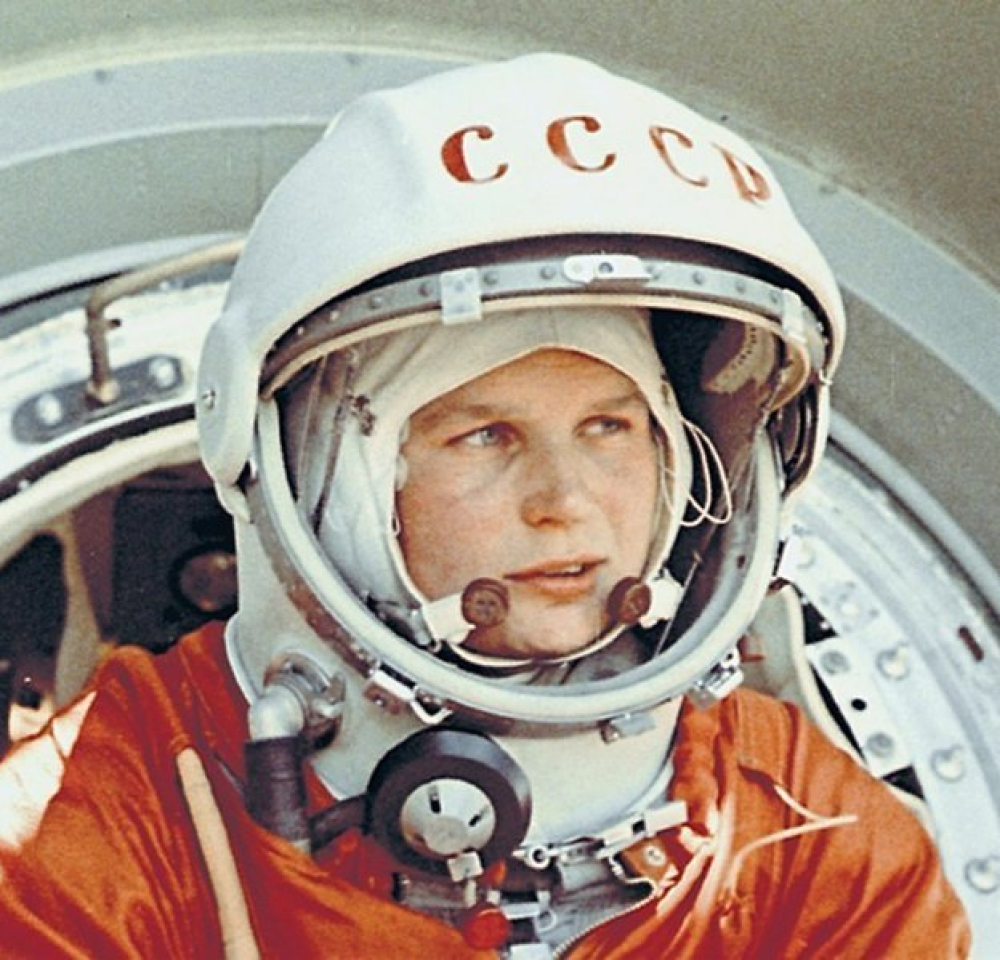
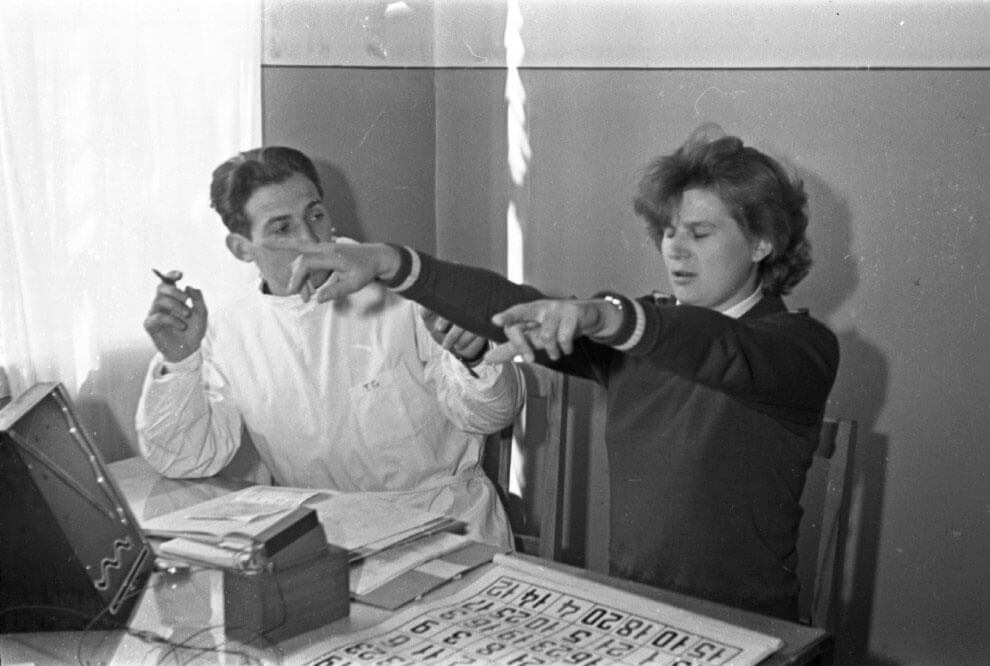
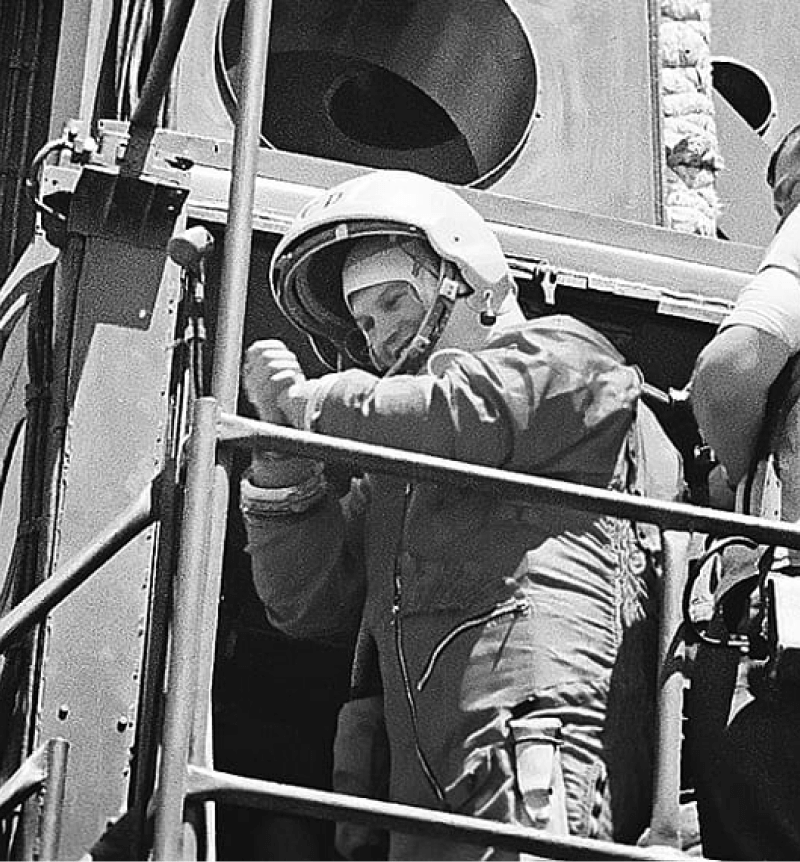
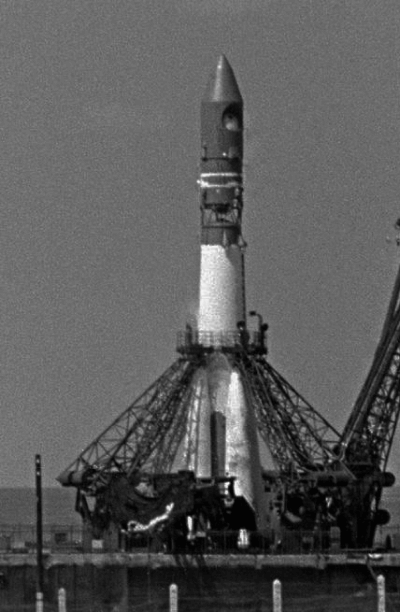
Onam made her space flight (the world's first flight of a woman-cosmonaut) on June 16, 1963, on the Vostok-6 spacecraft, it lasted almost three days. The start took place at Baikonur not from the "Gagarin" site, but from a backup one. On the day of her flight into space, Tereshkova told her family that she was leaving for a parachutist competition, they learned about the flight from the news on the radio.
Was born on March 6, 1937, in the village of Bolshoye Maslennikovo, Tutaevsky district, Yaroslavl region
In 1945 she entered secondary school number 32 in the city of Yaroslavl (the school now bears her name). Having an ear for music, in her free time she learned to play the domra. She graduated from seven classes in 1953.
To help the family, in 1954, Valentina went to work at the Yaroslavl Tire Plant as a bracelet in the assembly and vulcanization shop at a preparatory operation, where she operated a diagonal cutting machine.
From 1955 to 1960, she studied at the Yaroslavl correspondence technical school of light industry as a cotton spinning technician
In 1957 she joined the Komsomol
Since 1959 she was engaged in parachuting at the Yaroslavl flying club.
Enrolled in the cosmonaut corps on March 12, 1962 and began training as a student-cosmonaut of the 2nd detachment
The world's first flight of a woman-cosmonaut was made on June 16, 1963 on the Vostok-6 spacecraft, it lasted almost three days
From April 30, 1969 to April 28, 1997 - instructor-cosmonaut of the cosmonaut corps of the 1st department of the 1st control of the group of orbital ships and stations, instructor-cosmonaut-test of the group of orbital manned complexes of general and special purposes, the 1st group of the cosmonaut corps.


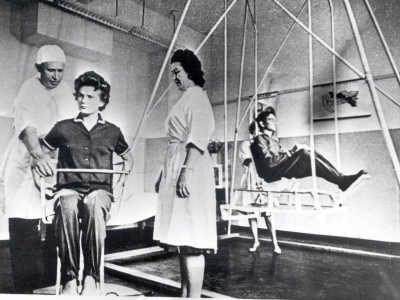
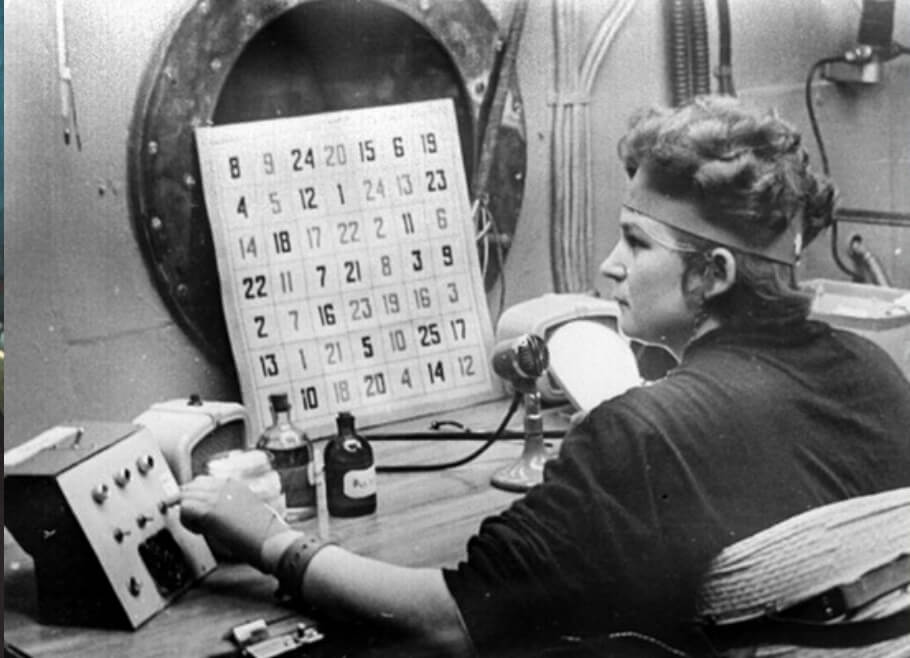
At the beginning of 1962, the search for applicants began according to the following criteria: a parachutist, up to 30 years old, up to 170 cm tall and weighing up to 70 kg. Five out of hundreds of candidates were selected: Zhanna Yorkina, Tatyana Kuznetsova, Valentina Ponomareva, Irina Solovyova and Valentina Tereshkova.
Immediately after being accepted into the cosmonaut detachment, Tereshkova, along with the rest of the girls, was called up for urgent military service with the rank of privates.
Velit nulla sunt eu amet. Aute commodo aliquip proident ullamco culpa in pariatur ullamco magna officia consectetur enim. Ullamco reprehenderit ea ad incididunt adipisicing quis esse ullamco anim aute esse et qui. Commodo ea consectetur minim tempor dolor officia tempor ea minim adipisicing. Qui ipsum nisi anim consequat mollit fugiat eu proident tempor enim irure consectetur.


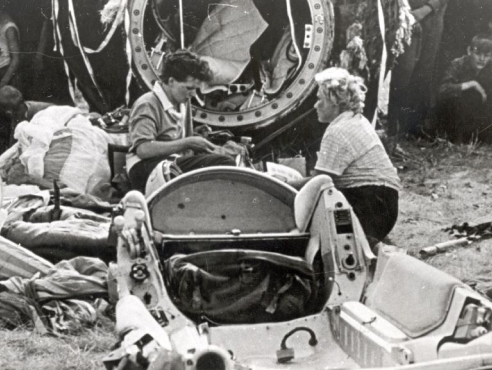
Tereshkova made her space flight (the world's first flight of a woman-cosmonaut) on June 16, 1963 on the Vostok-6 spacecraft, it lasted almost three days. The start took place at Baikonur not from the "Gagarin" site, but from a backup one. At the same time, the Vostok-5 spacecraft, piloted by cosmonaut Valery Bykovsky, was in orbit.
.png)

Movie for the anniversary of Valentina Tereshkova
.png)


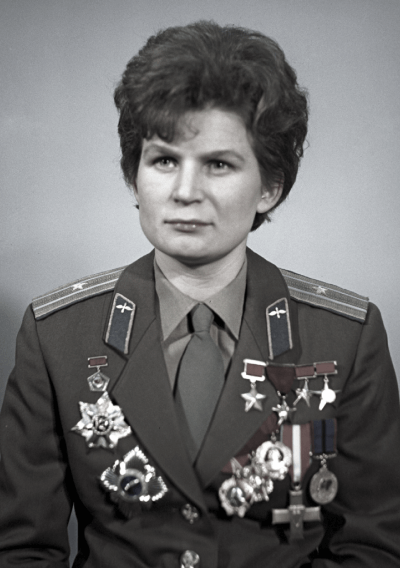
Tereshkova - pilot-cosmonaut of the USSR No. 6 (call sign - "Seagull"), 10th world cosmonaut; the only woman in the world to make space flight alone.
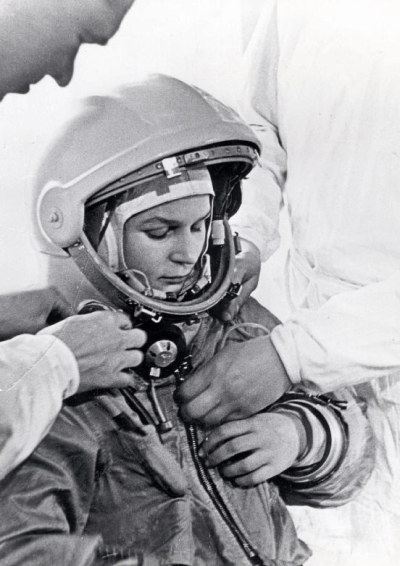
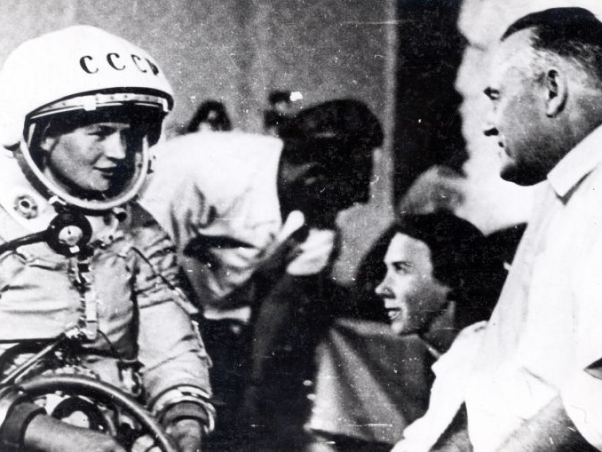
Valentina Tereshkova before launch at the spacecraft elevator

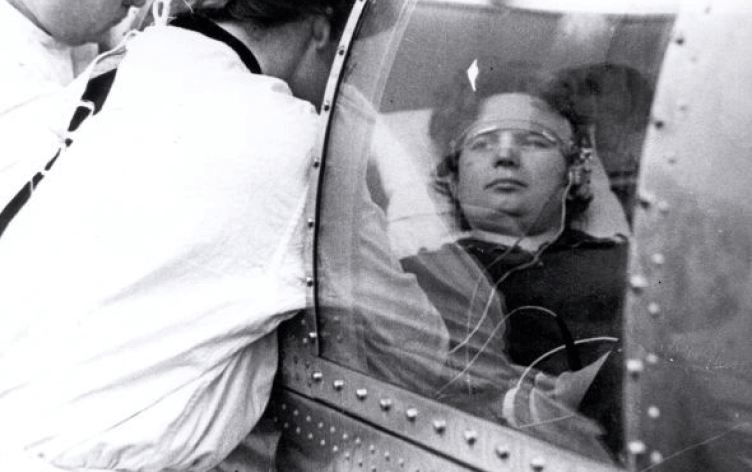
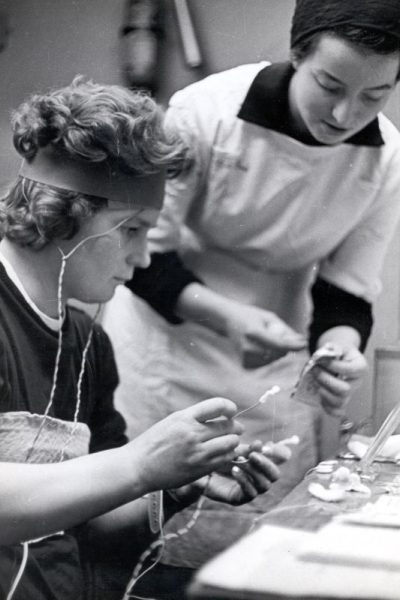
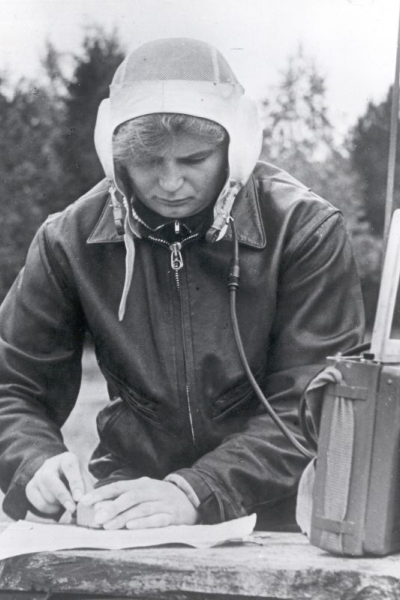
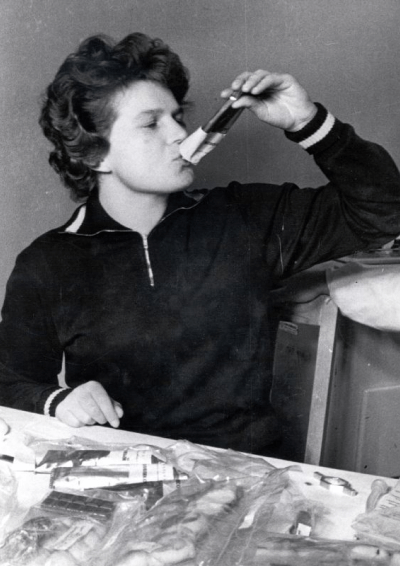
Valentina Tereshkova during preparation for the flight

04/12/1961 at 10 a.m. 55 minutes 2 km southeast of n. Podgornoye, pilot-cosmonaut Major GAGARIN Yuri Alekseevich, who made the first space flight on the Vostok spacecraft, landed

Once in my childhood I read the words of V.P. Chkalov: "If to be, then to be the first." So I try to be and will be until the end.

Alexey Leonov
On April 12, 1961, Yuri Gagarin became the first person in world history to fly into outer space. After 108 minutes of the flight, Gagarin successfully landed in the Saratov region, not far from Engels. April 12, 1962, the day of Yuri Gagarin's flight into space was declared a holiday - Cosmonautics Day

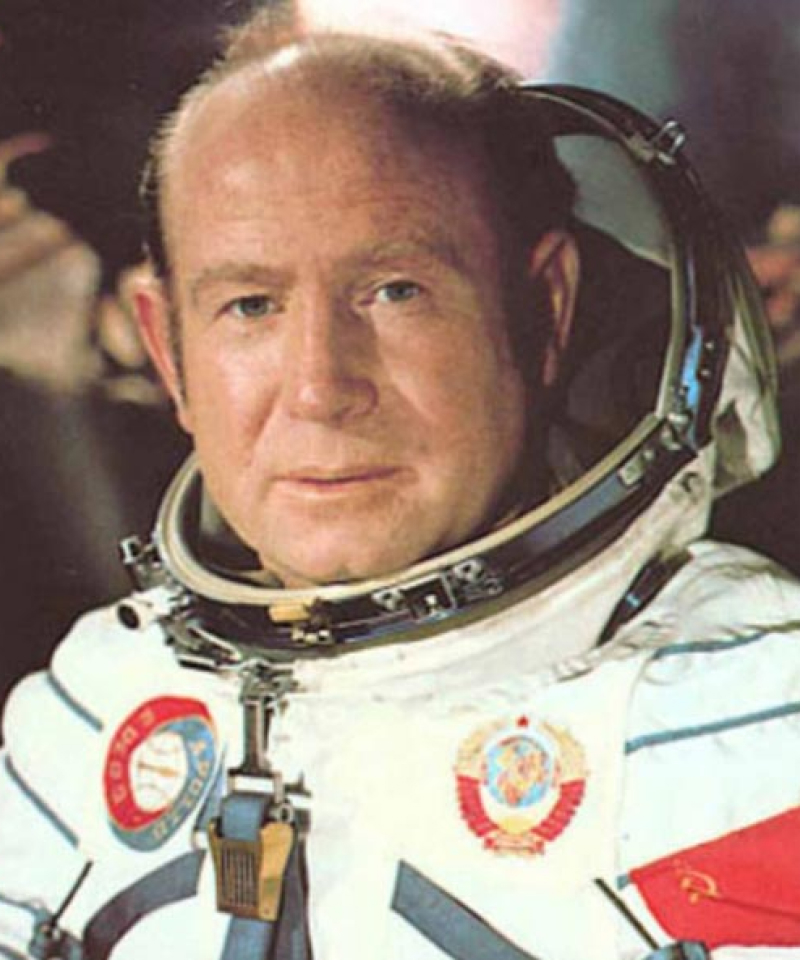
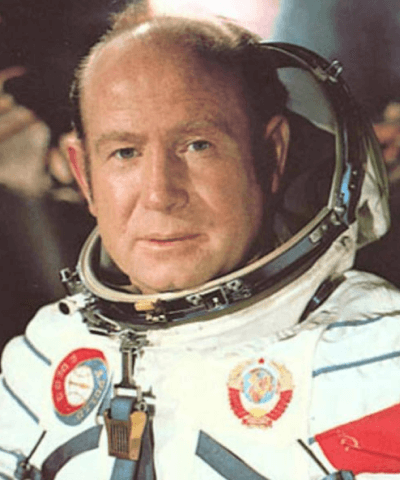
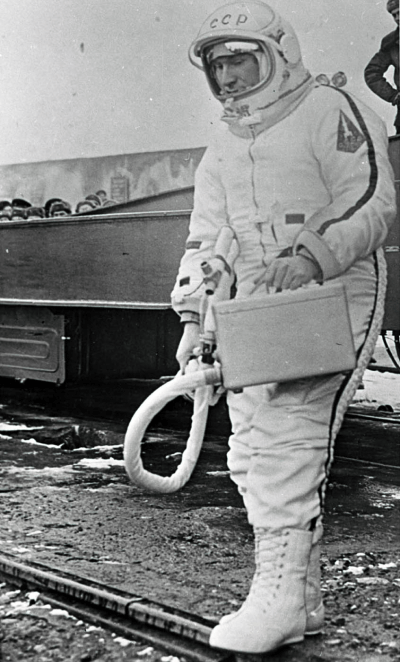
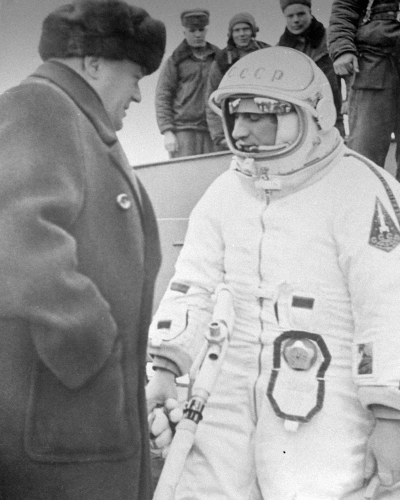
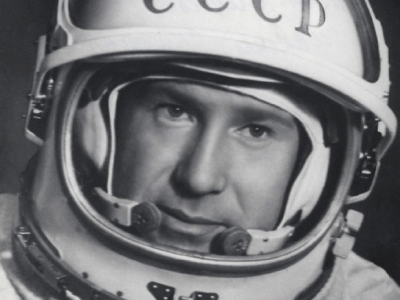
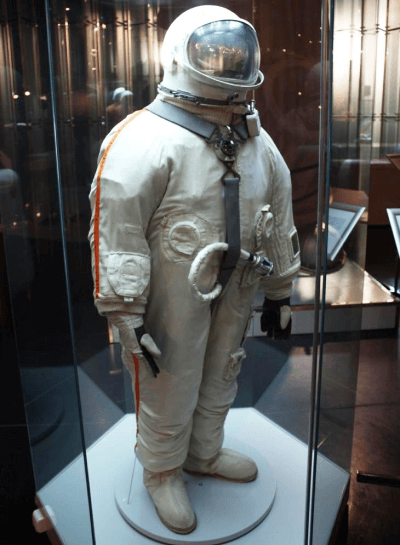
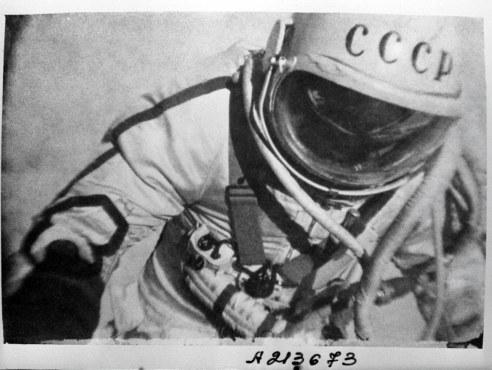
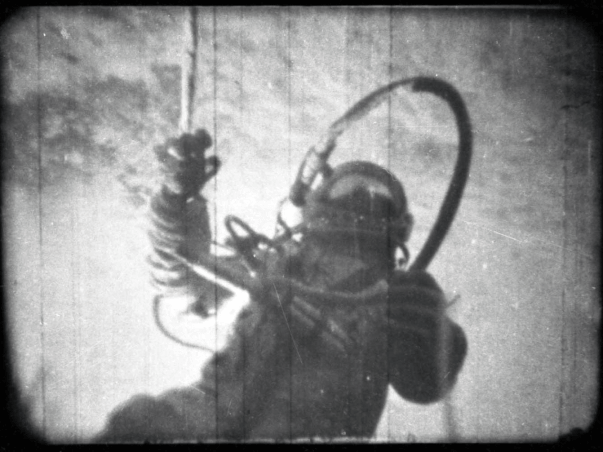
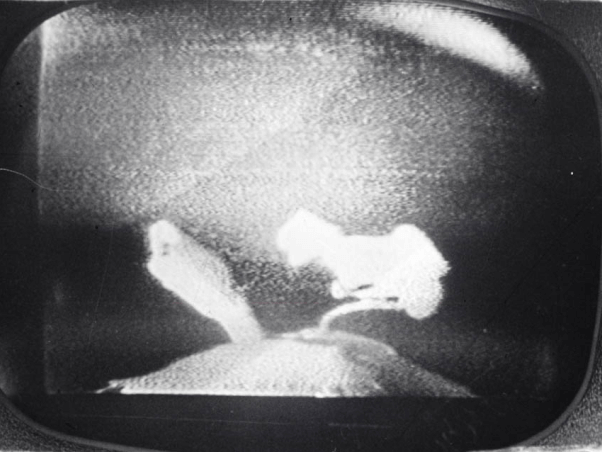
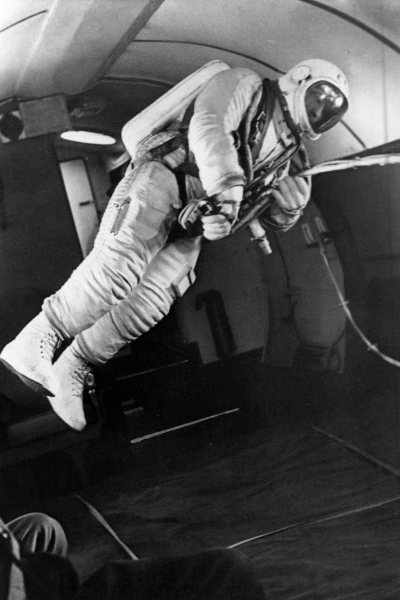
On March 18-19, 1965, together with Pavel Belyaev, he flew into space as a co-pilot on the Voskhod-2 spacecraft. During the flight, he carried out the first spacewalk in the history of astronautics, showing exceptional courage, especially in an emergency situation when an inflated space suit prevented him from returning to a spacecraft


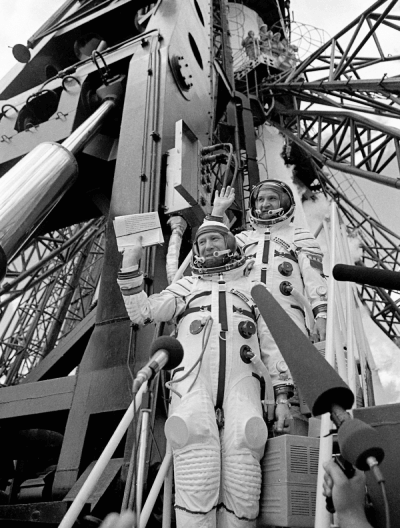
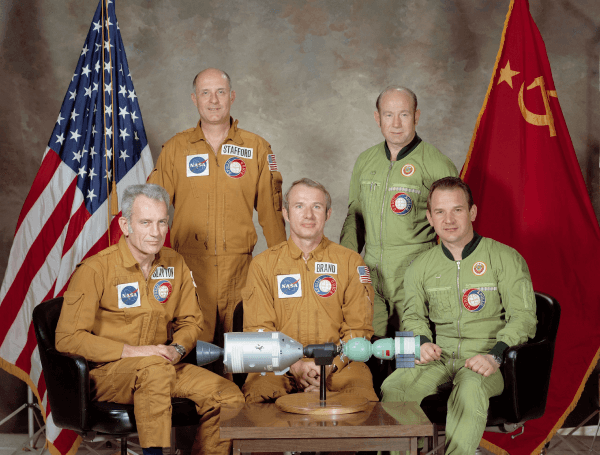
In 1975, on July 15-21, together with V. N. Kubasov, he made the second flight into space as commander of the Soyuz-19 spacecraft under the ASTP program (Soyuz-Apollo program). The flight duration is 5 days 22 hours 30 minutes 51 seconds. Then, for the first time, the docking of ships of two different countries was carried out.
“I want to tell you that the picture of the cosmic abyss that I saw, with its grandeur, immensity, brightness of colors and sharp contrasts of pure darkness with the dazzling radiance of the stars, simply amazed and charmed me. To complete the picture, imagine - against this background I see our Soviet ship, illuminated by the bright light of the sun's rays. When I left the airlock, I felt a powerful stream of light and heat, reminiscent of electric welding. Above me was a black sky and bright, unblinking stars. The sun seemed to me like a red-hot disc of fire ... "
.png)

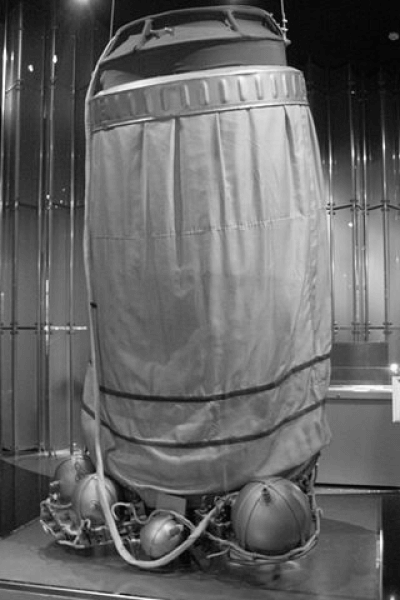
Lock chamber

The first spacewalk. Archive number 1
.png)


first docking of ships
of two different countries

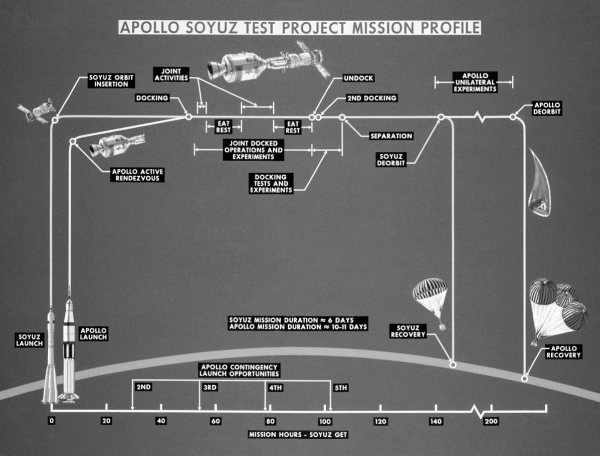
“Handshake in space” - a program of a joint experimental manned flight of the Soviet spacecraft Soyuz-19 and the American spacecraft Apollo. Implemented July 15, 1975

Artist's drawings and call-outs depict phases of the joint U.S.-USSR Apollo Soyuz Test Project ASTP, an Earth orbital mission which will feature rendezvous and docking of the respective spacecraft of the two nations.

Participants in the Soyuz Apollo program. Standing (from left to right): Thomas Stafford, Alexei Leonov. Sitting (from left to right): Donald Slayton, Vance Brand, Valery Cube
expedition crew
USSR postal block with a drawing by A. Leonov and a facsimile of his signature


.png)
.png)
Twice Hero of the Soviet Union (1965, 1975), Major General of Aviation (1975). Laureate of the USSR State Prize (1981), member of the Supreme Council of the United Russia Party (2002—2019)


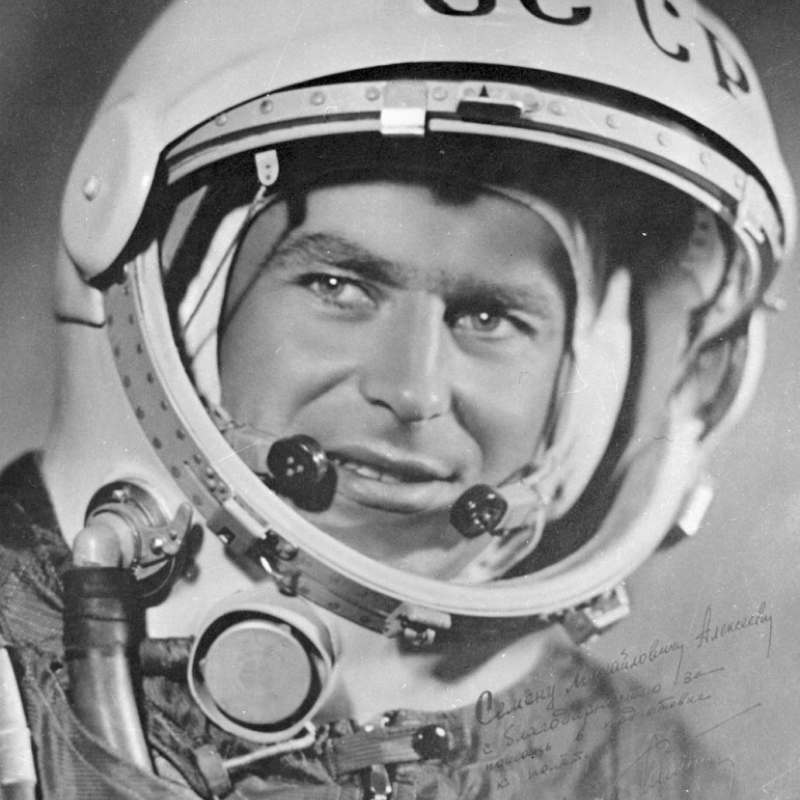
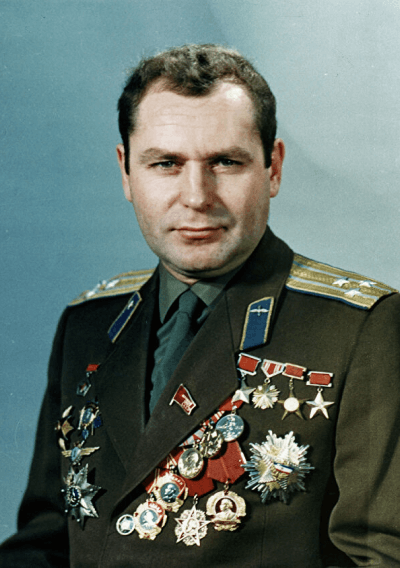
The first man to make a long space flight (more than a day), the second man in space (if you do not take into account the suborbital flight of Alan Shepard). Understudy Yuri Gagarin
Titov said: “Once, the husband of our teacher arrived in the village — gold buttons, shoulder straps, a tie, and shiny shoes. Well, I asked, they say, uncle, where do they all give it? He replied: "In aviation."


Titov and Gagarin had equal chances to become astronaut No. 1. Here is what Gagarin said about his understudy when he returned from outer space: “Cosmonaut Two lived in the room with me. We existed according to a single schedule and resembled twin brothers in everything. Yes, we were brothers - we were connected by one goal, to which we dedicated our lives. ” The name of Titov at that moment was still classified.


The Titov’s candidacy was “wrapped up” personally by the head of state Nikita Khrushchev, because he did not like the name of the astronaut. In his opinion, the guy with the real Russian name, and not with the rare name German, sounding like a foreign one, should have become the symbol of the country and the personification of the era
According to the second version, Titov’s nomination was given by chief designer Sergei Korolev. The fact is that in the period of preparation for the flight, the future astronaut suffered a terrible family tragedy: his young son died. This loss was a serious test for Titov. And Korolev wanted to be sure of the maximum psychological stability of the first astronaut.
It is possible that German Titov was saved as a more valuable and strong candidate, for the second flight - more difficult. This is confirmed by the entry in the diary of the assistant to the Commander-in-Chief of the Air Force in space, General Kamanin, who personally selected the first astronauts: "The only thing that keeps me from deciding in favor of German Titov is the need to have a stronger astronaut for a daily flight."
Doctors believed that the flight should last no longer than three turns, but Titov himself said: "You need to fly for a day!" He was supported by Sergey Korolev, pointing out that in this case it would be possible to arrange a landing in the same place where Gagarin sat - in the Volga region. Moreover, the work of search groups has already been worked out there. It was a very ambitious plan!
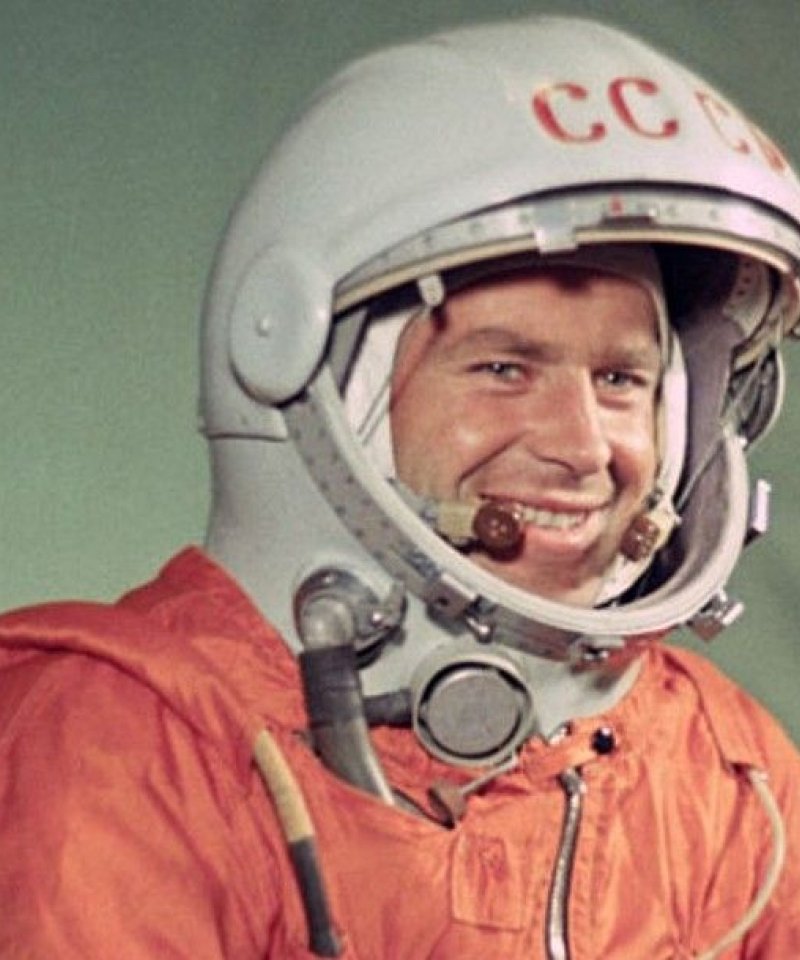
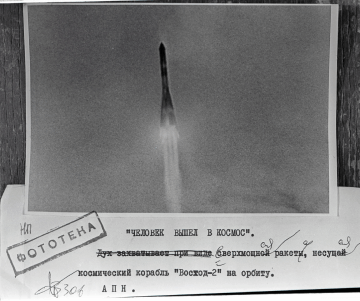
On August 6, 1961, German Titov made the second space flight in the history of Vostok-2 spacecraft. The flight duration was 1 day, 1 hour and 11 minutes. During this time, the spacecraft made 17 revolutions around the Earth, flying more than 700 thousand kilometers. It was the first space flight in the world lasting more than a day.


German Titov made the first photographs of the Earth, including the famous frame with a porthole.
He had lunch and supper for the first time in zero gravity, and this was not easy: the astronaut began vomiting.
And Titov managed to sleep in space, which was one of the most important experiments.
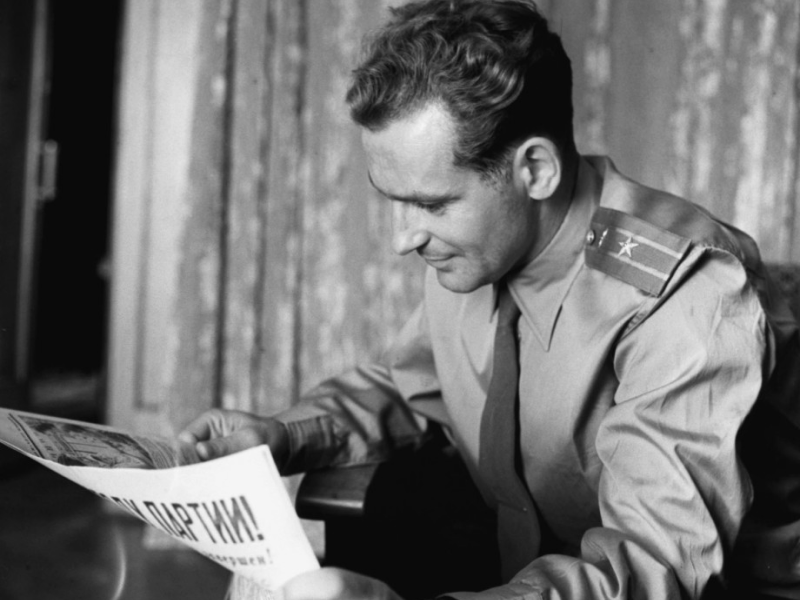
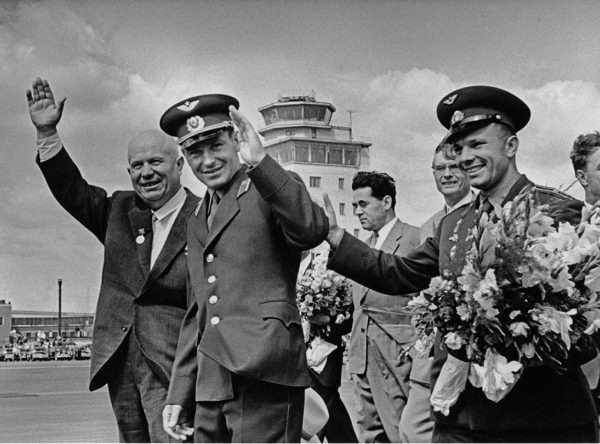
At the Vnukovo airport, August 9, 1961
%20(1)%20(1)%20(1)%20(1)%20(1)%20(1)%20(1).png)

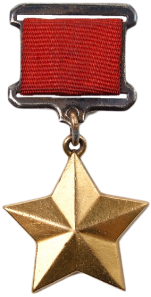
After returning, on August 9, 1961, Major German Titov was awarded the title Hero of the Soviet Union with the award of the Order of Lenin and the Gold Star medal.
Once he joked, saying that there is an instruction for behavior when meeting with aliens, the information was distributed by journalists.
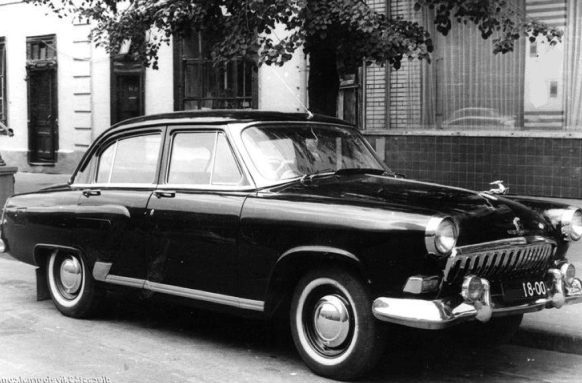
The government gave each new astronaut who returned from outer space a brand new Volga car. Titov had a car with the number 0002 MMO.
He also had a new apartment and a higher salary, which was several times higher than the income of an ordinary fighter pilot.


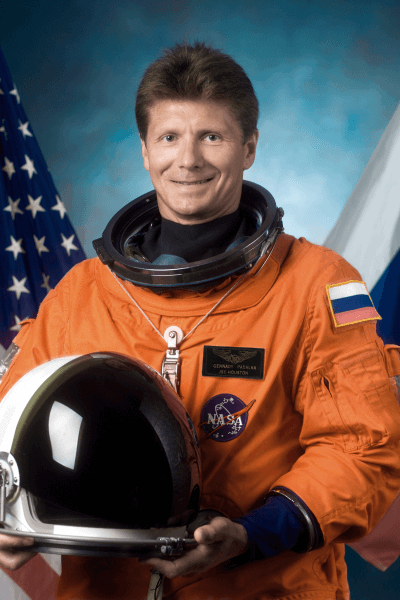
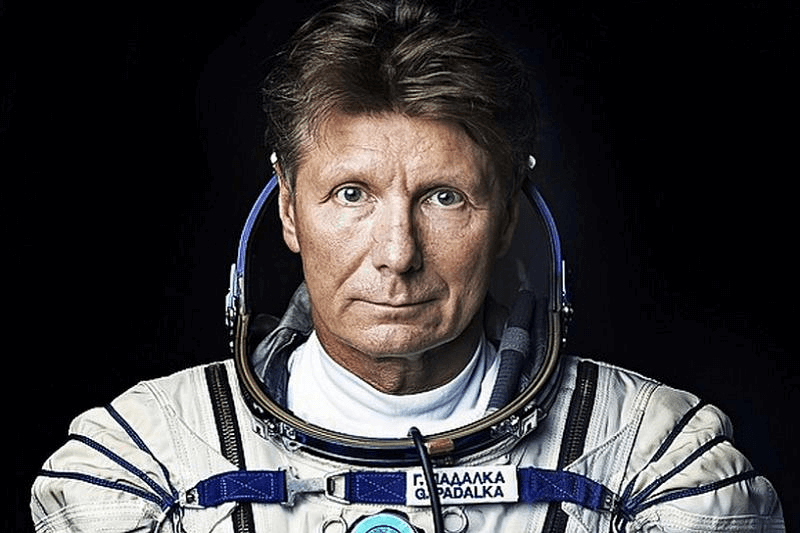
June 29, 2015 broke the world record for the total duration of space flights - 803 days.
Once he joked, saying that there is an instruction for behavior when meeting with aliens, the information was distributed by journalists.
During the 2012 expedition, he slept on the ceiling of the station.
He is fond of diving, prefers to relax on the Red Sea.
Not a haircut in space.
He treats his surname and colleagues' jokes in this regard with humor.
Amateur Radio Call Sign of Gennady Padalka - RN3DT.

.png)
.png)
.png)
.png)

.png)
.png)
Flight into space is a long trip. This is a
hotel where everything is temporary.
.png)
.png)
.png)
%201.png)
The record for the number of pacewalks and the total duration of work in outer space
.png)
Total number of EVAs
Total time in outer space


It was the first docking of the American space station Mir Russian Space Station and joint operations in orbit, as well as the first crew change in orbit. It was also the largest spaceship ever in orbit, and it was 100- The first launch into space of a man in the USA, perfect from the cape.


“
I would say that this is an obligatory part of the astronaut’s long preparation for the expedition, and then how lucky. The astronaut is obliged to prepare for standard operations, that is, he must be able to service the spacesuit, work with equipment for spacewalks. And then there can be any planned work: scientific, repair, design. Without this, astronautics cannot develop now
”


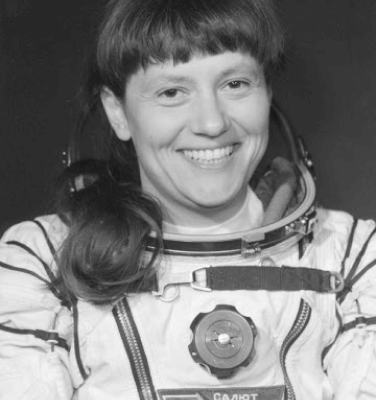
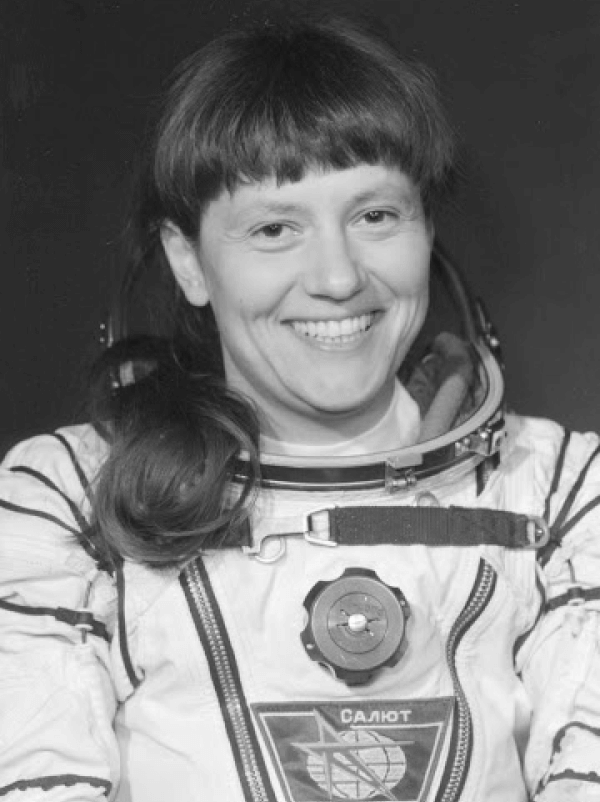
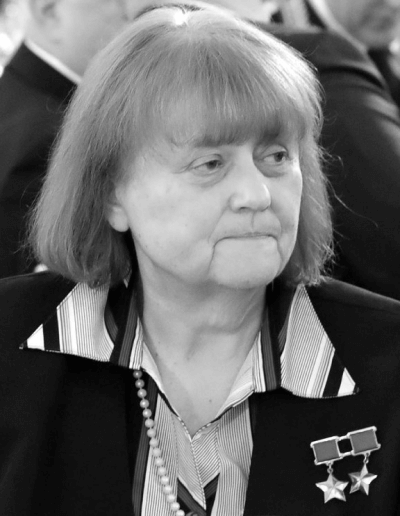
From 1969 to 1977, Svetlana Savitskaya was part of the USSR aerobatic team. In 1970, she won the world piston aerobatic championship in the UK. She set 3 world parachuting records in group jumps from the stratosphere and 18 aviation records in jet aircraft.
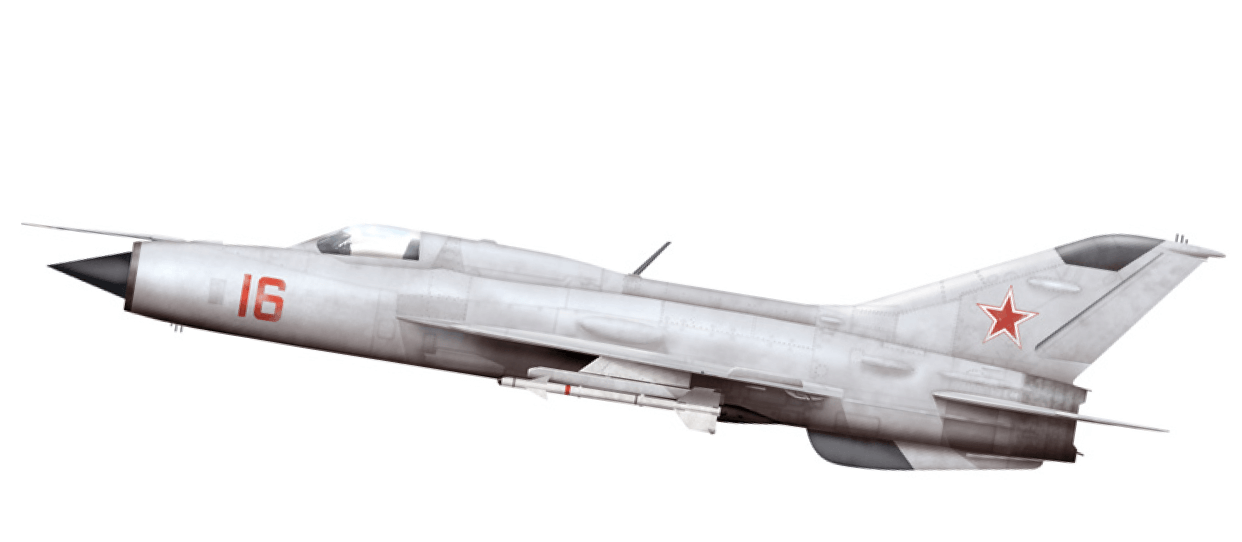
In 1975-1978, she set 4 female records of altitude and speed of flight on the combat training MiG-25PU

world speed record
(2683.44 km / h, June 22, 1975)
flight altitude record
(21,209.9 m, August 31, 1977)
speed record at a distance of 500 km
(2466.1 km / h, October 21, 1977)
speed record on a closed route of 1000 km
(2466.1 km / h, October 21, 1977)
.png)
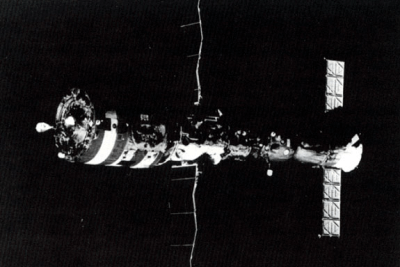
Flight parameters
The mass of the apparatus is 7.02 t
The inclination of the orbit is 51.6 °
The circulation period is 88.6 min
Perigee - 192 km
Apogee - 218 km
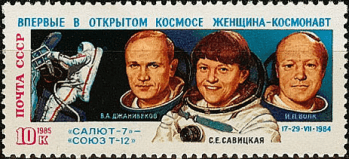
Crew
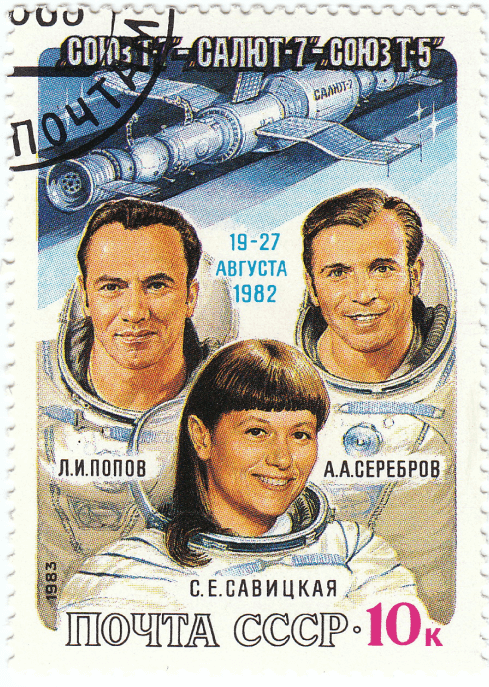
The commander of the ship - Dzhanibekov, Vladimir Alexandrovich
Flight engineer of the ship - Savitskaya, Svetlana Evgenievna
Cosmonaut-explorer of the ship - Wolf, Igor Petrovich


July 25, Vladimir Dzhanibekov and Svetlana Savitskaya launched into outer space, lasting 3 hours 35 minutes. While working in outer space, Vladimir Dzhanibekov and Svetlana Savitskaya tested various instruments designed to work with metals in outer space.
Svetlana Savitskaya became the first woman to venture into outer space.

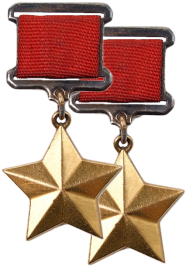
Twice Hero of the Soviet Union, the only woman - twice Hero of the Soviet Union.

Order "For Merit to the Fatherland" III degree
The title of “Hero of the Democratic Republic of Afghanistan” with the presentation of the Golden Star medal and the Order of the Sun of Liberty (Afghanistan).
The Order “For Merit to the Fatherland”, IV degree - for achieved labor successes, a significant contribution to the socio-economic development of the Russian Federation, merits in space exploration, the humanitarian sphere, the strengthening of law and order, many years of conscientious work, active legislative and social activities;
Two Orders of Lenin;
Order of the Badge of Honor;
Medal "For Merits in Space Exploration" - for great merits in the field of research, development and use of outer space, many years of conscientious work;
Gold medal and 18 diplomas of the International Federation of Aeronautics;
16 gold sports medals of the USSR;
Special medal for setting the women's world record in outer space;
Two small planets (asteroids) are named after Svetlana Savitskaya: No. 4118 (Sveta) and No. 4303 (Savitskaya).


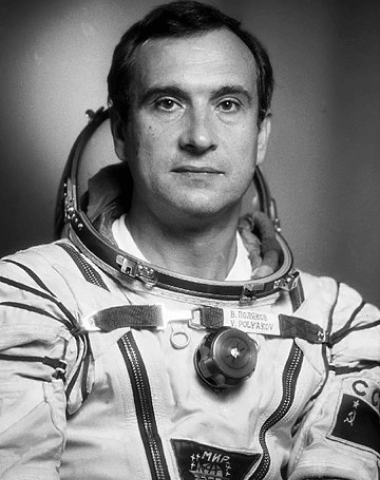
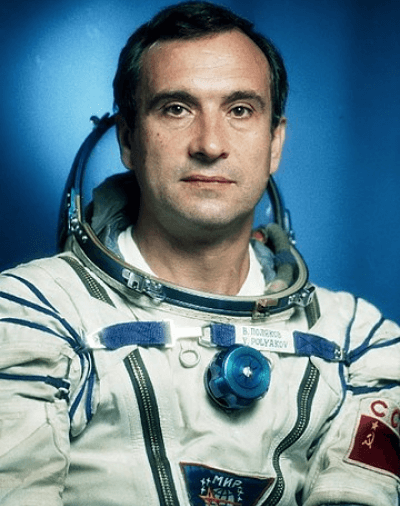
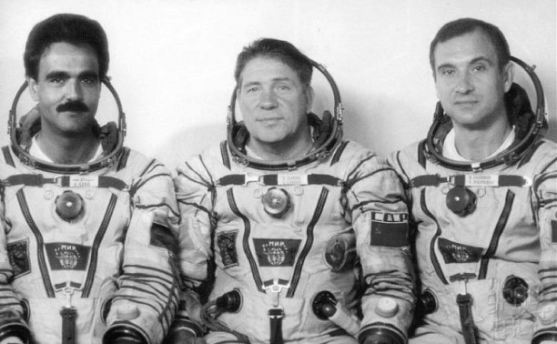
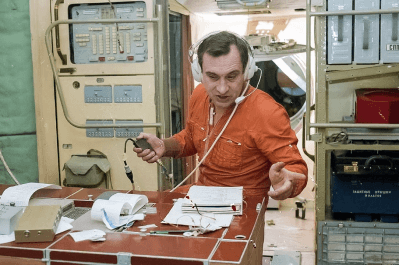
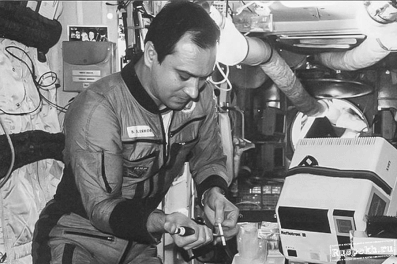
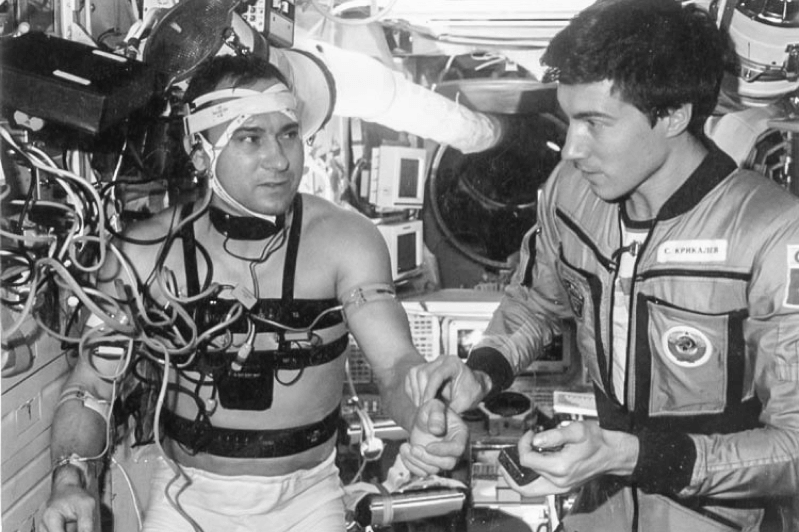
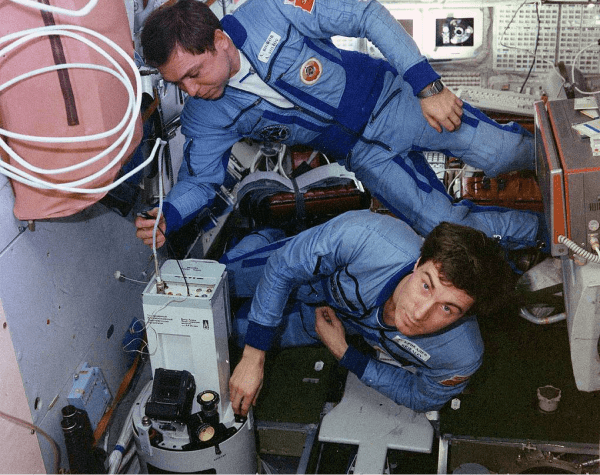
The first space flight took place from August 29, 1988 to April 27, 1989 as the first astronaut-researcher of the Soyuz TM-6 TPK in order to monitor the health of Titov and Manarov at the final stage of their annual orbit

From January 8, 1994 to March 22, 1995, he made the second space flight as a research cosmonaut on the Soyuz TM-18 spacecraft and the Mir orbital complex lasting 437 days 18 hours. This is an absolute record of the duration of work in space in one flight.


He took part in the SFINCSS experiment in 2000, during which the flight of an international crew on a space station was simulated to study the interaction of groups of people of different nationalities
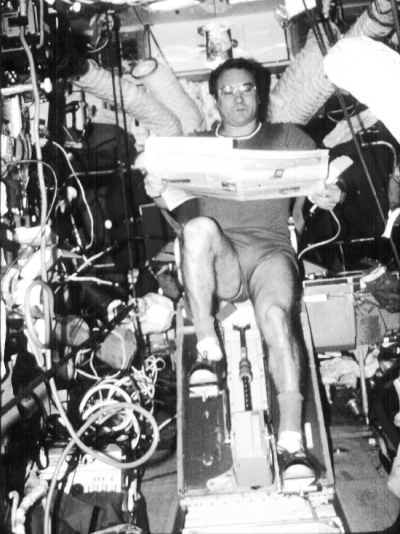
Valery Polyakov recalled that in rare spare minutes in space he preferred to read books, among the ones he especially liked he noted the novels “Men and Women” by Boris Mozhaev and “White Clothes” by Vladimir Dudintsev.
He took part in the SFINCSS experiment in 2000, during which the flight of an international crew on a space station was simulated to study the interaction of groups of people of different nationalities
He is the author of more than 50 scientific papers on the problems of space medicine published in domestic and foreign publishing houses

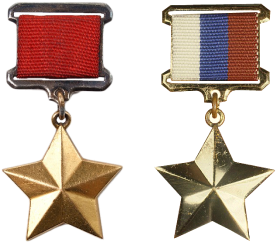
Hero of the Soviet Union, holder of the Order of Lenin and the Golden Star medal
%201.png)
Hero of the Russian Federation
Medal "For Merits in Space Exploration" - for great merits in the field of research, development and use of outer space, many years of conscientious work, active social work
The title of “Hero of the Democratic Republic of Afghanistan” with the presentation of the Golden Star medal and the Order of the Sun of Liberty (Afghanistan).
Legion of Honor Officer (France).
Order "Parasat" (Kazakhstan).
Medals of Rosaviakosmos and the Russian Cultural Foundation.
Prize of the Prince of Asturias (Spain).
Honorary Citizen of Tula


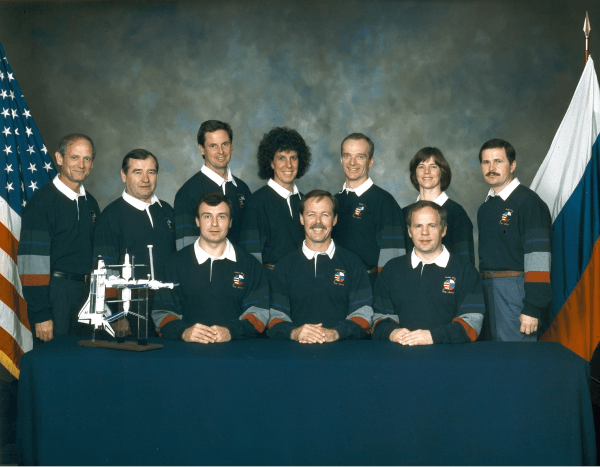
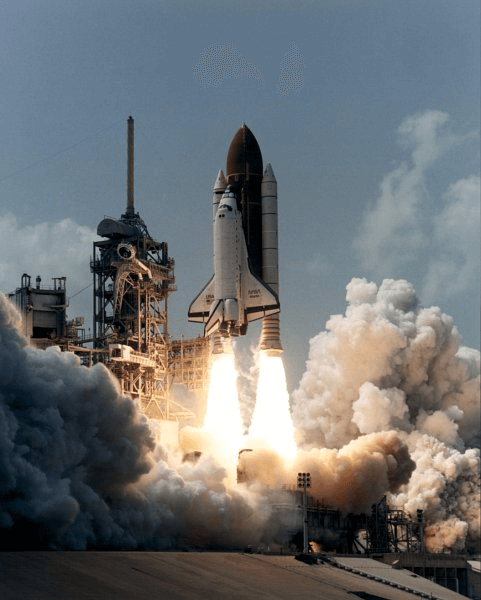
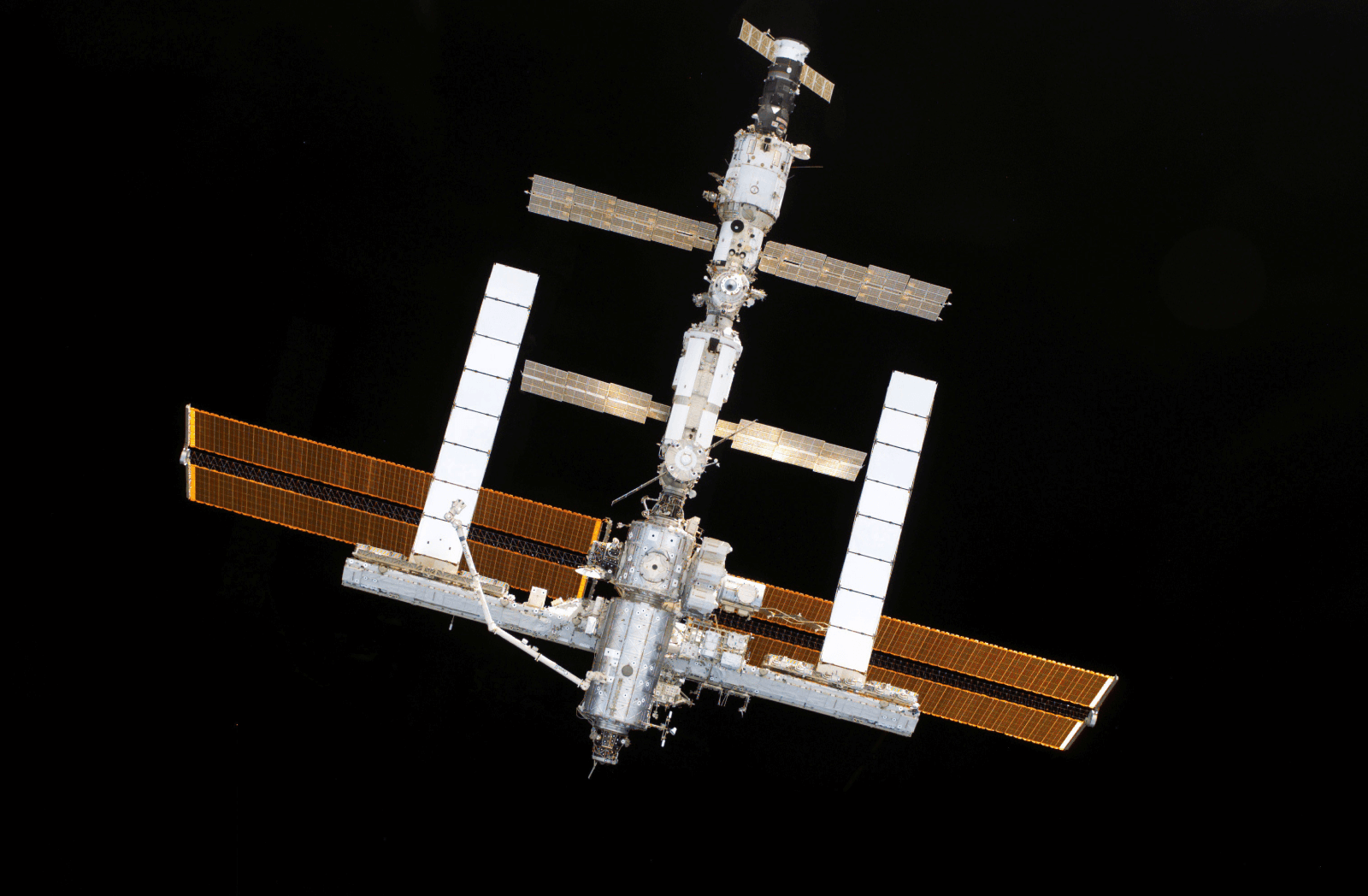
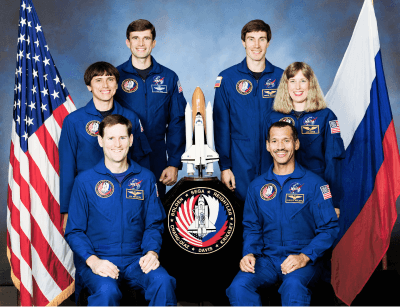
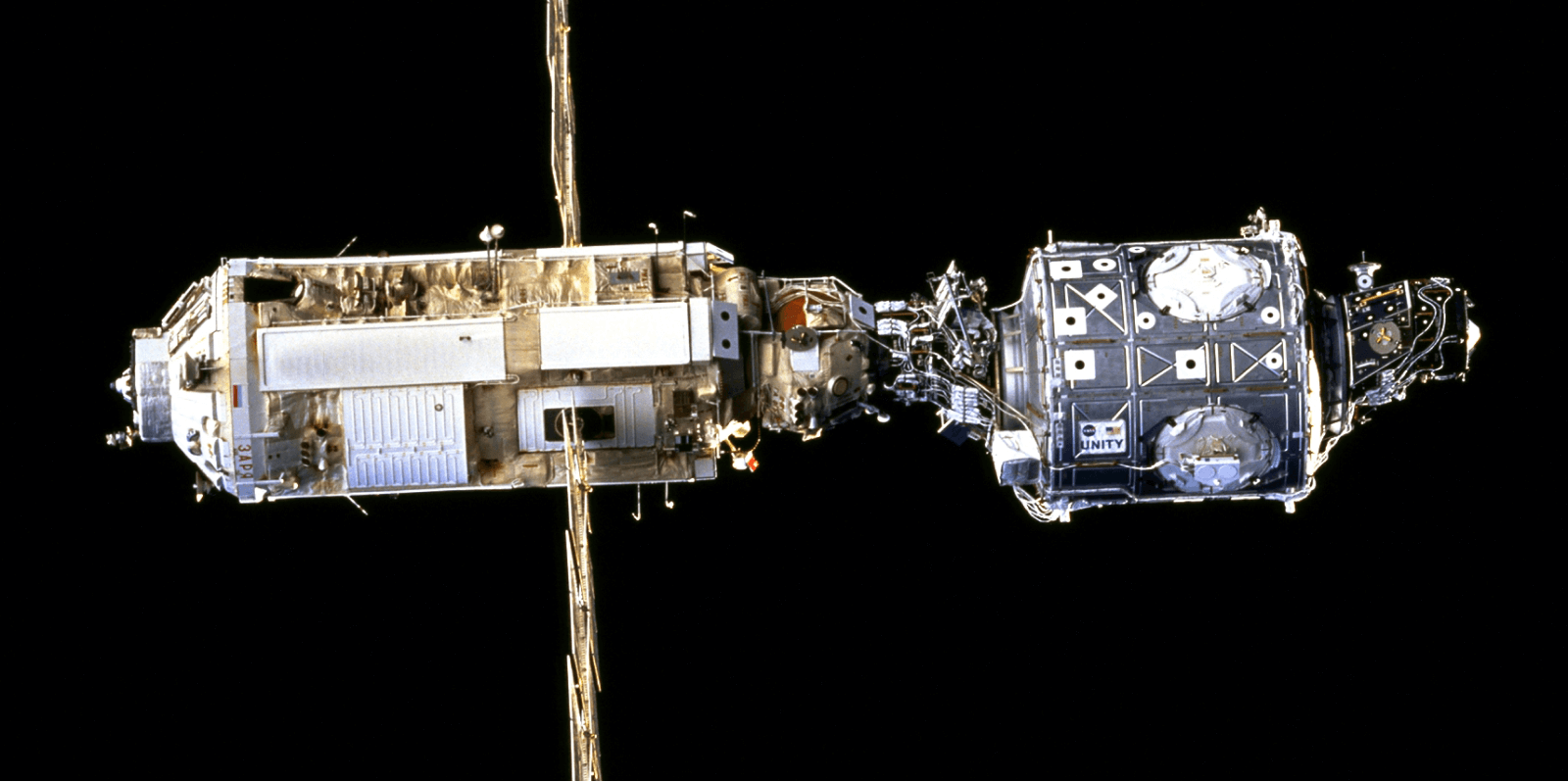
Endeavor STS-88 is a NASA mission for the International Space Station assembly program. The main task was to deliver into orbit, and dock the American Unity module to the Russian Zarya module already in space.

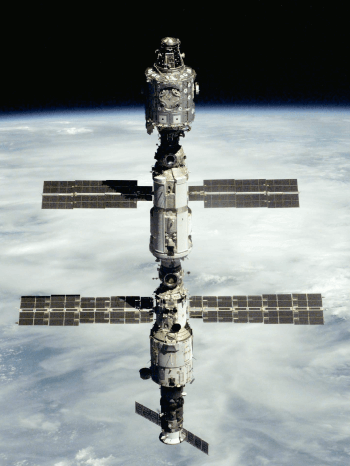
The Dawn module and the Unity module are the germ of the ISS

ISS configuration during the arrival of the first expedition. Station Modules (from top to bottom): Unity, Dawn and Star


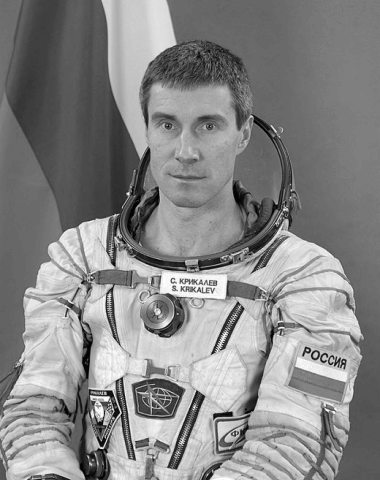
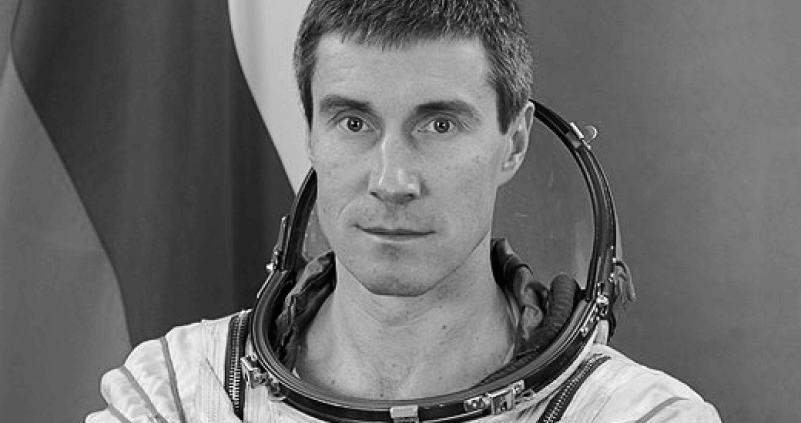
“Universe of Sergey Krikalev”
60th anniversary film

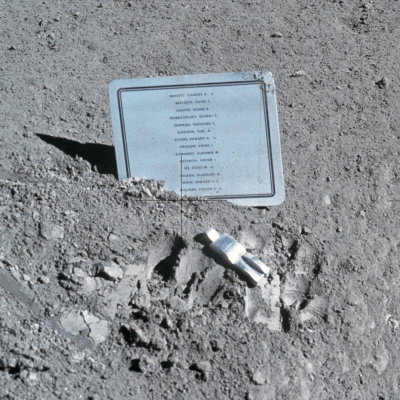
We honor the memory of heroes who conquered space at the cost of their lives


A tablet with the names of the dead astronauts and astronauts (including Komarov), left by the Apollo 15 team on the moon
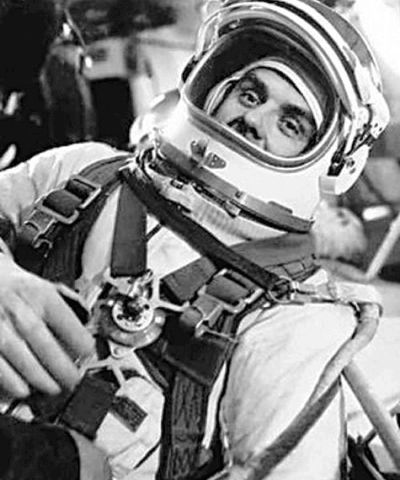
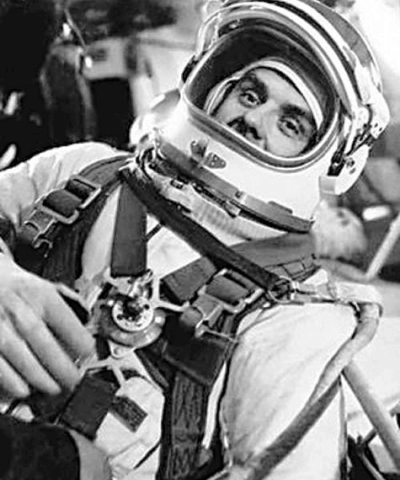
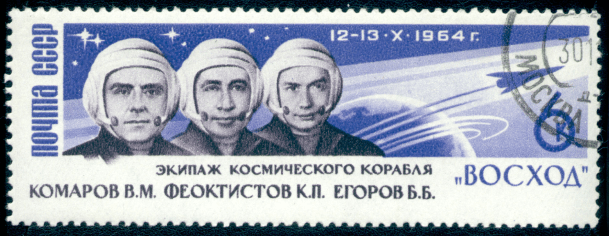
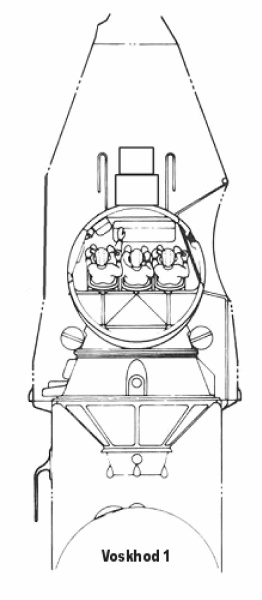
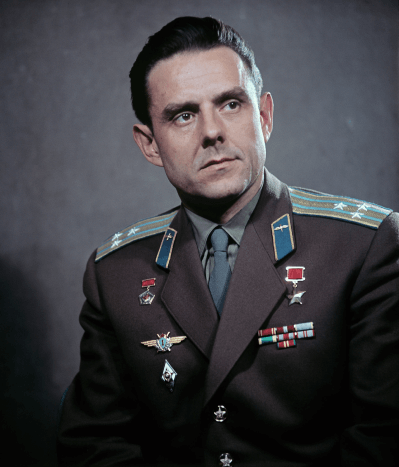
V.M. Komarov made his first space flight on October 12–13, 1964 aboard the Voskhod-1 spacecraft together with astronauts K. P. Feoktistov and B. B. Egorov (the call sign of the crew was Rubin).

It was the world's first multi-seat spaceship. For the first time in the crew were not only a pilot, but also an engineer and a doctor. For the first time in history, the crew flew without catapults and spacesuits (due to tightness in the cockpit). The soft landing system was first applied.

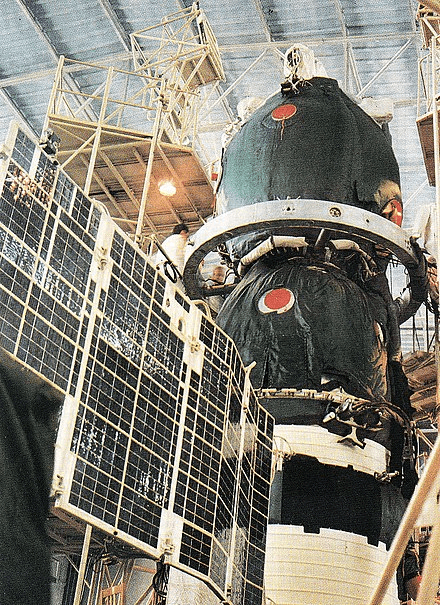
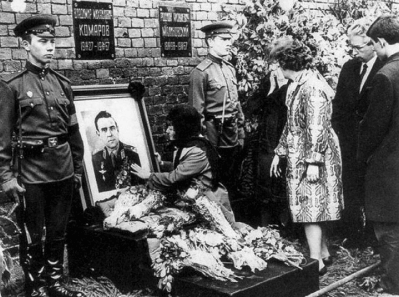
Soyuz-1 is the first Soviet manned spacecraft (KK) of the Soyuz series. Launched in orbit on April 23, 1967. On board the Soyuz-1 there was one astronaut - Hero of the Soviet Union Colonel Engineer V. M. Komarov, who died during the landing of the descent vehicle. The doubler of Komarov in preparation for this flight was Yu. A. Gagarin.
Malfunctions began immediately after the Soyuz-1 spacecraft entered orbit: one of the two solar panels did not open, the ship began to experience a shortage of electricity. The astronaut tried to open the solar battery by spinning the ship around its axis, but this did not lead to the desired results. Due to this malfunction, the flight was prematurely terminated, and the ship successfully left orbit. However, after entering the dense layers of the atmosphere, the parachute system failed at the final landing stage: for completely unknown reasons, the exhaust parachute at an altitude of 7 km (at a speed of about 220 m / s) could not pull the main parachute from the tray; at the same time, the reserve parachute that had successfully left at an altitude of 1.5 km was not filled, since its slings were wrapped around an unshooted exhaust parachute of the main system; the descent vehicle hit the ground at a speed of about 50 m / s, which led to the instant death of the astronaut. The tanks with hydrogen peroxide were damaged, which, like a strong oxidizing agent, exacerbated the fire, as a result of which the descent vehicle was almost completely burned out.
This disaster was the first case of human death in flight in the history of manned space exploration.

The ashes of Vladimir Komarov placed in an urn in the Kremlin wall on Red Square in Moscow


Eternal memory to the fallen astronauts!
art-director
design, animation and development
lead designer and development
The project was made for non-commercial use and educational purposes only to demonstrate the students' skills. All materials are taken from the official site and belong to their owners. If you have any questions, please contact hello@uprock.ru.